What Are Blind Flanges and How Are They Used?
Blind Flanges are solid, disc-shaped components used to close the end of a pipe, nozzle, or vessel connection. Unlike standard flanges, they have no central opening for fluid flow. Their flat face creates a firm barrier when bolted to a matching flange with a suitable gasket.
They are common in water treatment plants, chemical facilities, refineries, and industrial piping systems. Operators use them to isolate equipment, seal unused branches, and support pressure testing. A blind flange may also provide access for future expansion. Picture a steel plate secured around a pipe joint, with bolts evenly tightened around its rim. That simple arrangement can protect workers and equipment during maintenance.
Selection requires more than matching pipe size. Engineers check pressure class, material grade, facing type, temperature limits, and gasket compatibility. Standards such as ASME B16.5 or ASME B16.47 may apply, depending on the flange size and system design. Always confirm the correct standard for the project. Mistakes happen when dimensions look similar.
Installation also matters. Bolts should follow a controlled tightening pattern, and sealing surfaces must remain clean and undamaged. A flange that appears secure may still leak under pressure. Blind Flanges are reliable, but they are not automatically safe in every situation. Proper isolation, pressure release, inspection, and documented procedures remain essential. Their purpose seems straightforward. Their correct use demands careful judgment.
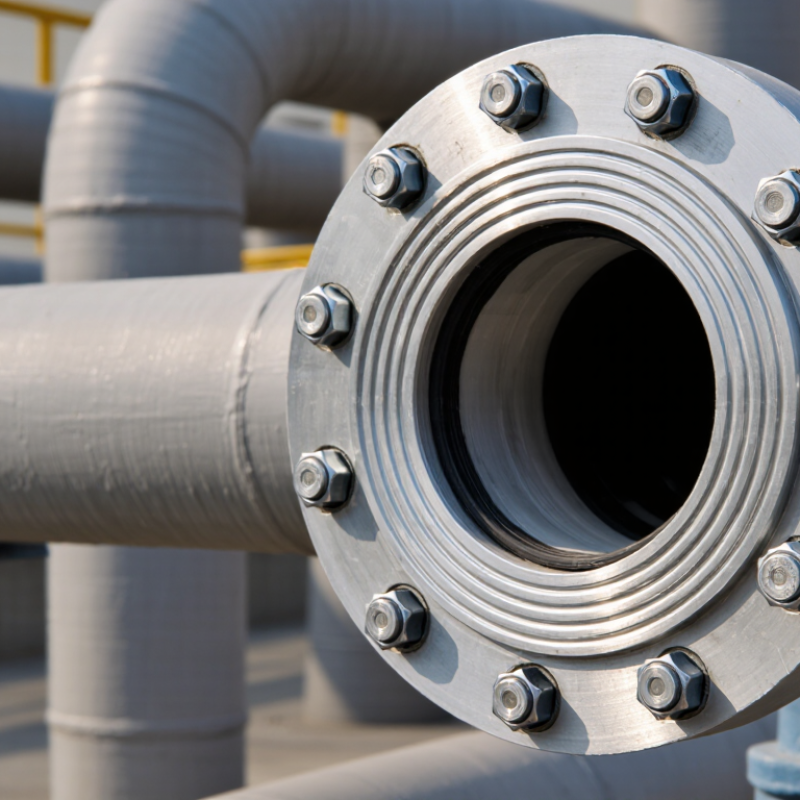
What Is a Blind Flange?
A blind flange is a solid, flat-ended flange used to close the end of a pipe, nozzle, or pressure vessel. Unlike a flange with a bore, it has no opening for fluid to pass through. Bolts secure it against a gasket and a matching flange, creating a removable pressure boundary. Its solid face can also provide a safe isolation point during maintenance, testing, or future system expansion.
In practical work, engineers select a blind flange by checking nominal size, pressure class, material, facing, and temperature range. The gasket must match both flange faces and the service fluid. A small mismatch can cause leakage. Installation plans sometimes fail when bolt lengths, gasket thickness, or face alignment seem unimportant. They are not. Technicians should inspect sealing surfaces, tighten bolts in a cross pattern, and follow the applicable piping standard and approved torque procedure. Never remove a blind flange until the line is isolated, depressurized, drained, and verified safe.
Tips: Mark the flange location and service clearly. Confirm its pressure rating against the system design. Use calibrated tools where required. Recheck bolt tightness only under an approved procedure; repeated tightening is not always the right solution. Blind flanges look simple, but their reliability depends on correct selection, clean surfaces, and disciplined installation.
Key Types and Materials of Blind Flanges
Blind flanges are solid, circular plates used to close a pipe end, valve outlet, or equipment nozzle. Unlike weld neck or slip-on flanges, they have no central bore. Their thickness helps resist internal pressure when the line is isolated for testing, maintenance, or future expansion. In a real installation, the raised sealing face must align with the gasket and mating flange. A small mismatch can cause leakage.
Several types suit different service conditions. Raised-face blind flanges are widely used for general process piping because their smaller sealing area supports effective gasket compression. Flat-face designs are common with fragile equipment connections, where excessive face stress could damage the nozzle.
Ring-type joint blind flanges use a machined metal ring and suit high-pressure, high-temperature systems. Spectacle blinds, made with a solid plate and an open spacer, allow visible line isolation, though they need adequate clearance for rotation.
Material selection depends on pressure, temperature, fluid chemistry, and the connected pipe. Carbon steel offers strength and economical service in many water, air, and hydrocarbon systems. Stainless steel performs better against corrosion, especially with moisture or aggressive media. Alloy steels may be selected for elevated temperatures or demanding pressure cycles. Material certificates, heat treatment, flange dimensions, and gasket compatibility should be checked against the applicable piping code. Field inspections sometimes find the right flange paired with the wrong bolts. That mistake is easy to overlook. Corrosion allowance and future maintenance access also deserve attention.
How Blind Flanges Are Installed and Used
What Are Blind Flanges and How Are They Used?
Blind flanges are solid plates used to close a pipe, nozzle, or vessel opening. Unlike a valve, a blind flange provides no quick flow control. It creates a firm barrier for isolation, maintenance, pressure testing, or future system expansion. I have found that correct installation depends more on preparation than force. A stronger wrench cannot fix a damaged sealing surface.
Before installation, qualified personnel should isolate the line, release pressure, drain trapped fluid, and confirm zero energy. The flange faces must be clean and free from deep scratches, rust, and old gasket material. Select a blind flange, gasket, and bolts that match the pipe size, pressure class, temperature, and service fluid. Place the gasket evenly, align the bolt holes, and tighten the bolts in a crosswise sequence. Final torque should follow an approved procedure, not personal judgment. After assembly, inspect the joint and complete a suitable leak test.
Tips: Keep the flange face covered during storage. Mark the closed line clearly. Never reuse a compressed gasket unless the procedure permits it. Check bolt engagement and thread condition before tightening. A checklist helps, but it can still miss a trapped pocket or incorrect gasket. Stop and verify when field conditions differ from the drawing. A blind flange should remain accessible for inspection and future removal, especially on frequently maintained piping.
Benefits, Limitations, and Safety Considerations
What Are Blind Flanges and How Are They Used?
Blind flanges are solid plates that close a pipe end, nozzle, or pressure vessel opening. Unlike weld-neck or slip-on flanges, they have no center bore. Bolts secure them against a gasket, creating a removable pressure boundary. Engineers use them during hydrostatic testing, line isolation, maintenance, and future system expansion. ASME B16.5 provides dimensional and pressure-temperature requirements for many standard flange sizes. However, a standard rating does not guarantee safe service. Material, temperature, gasket selection, bolt tension, and corrosion also matter.
The main benefit is controlled access. A blind flange can stop process flow more positively than a closed valve, especially during equipment isolation. It also supports repeated inspection and cleaning. Its limitation is equally important: trapped pressure may remain behind the plate. A 2023 U.S. Bureau of Labor Statistics report recorded 5,283 fatal work injuries nationwide, reminding us that routine maintenance still carries serious risks. Blind flanges can also become difficult to remove after corrosion, heat cycling, or uneven tightening. Small mistakes become expensive.
Tips: Verify the flange class, gasket type, bolt grade, and torque sequence. Check the latest drawings and pressure records. Depressurize, drain, vent, and test the line before loosening bolts. Never rely on a valve alone. A second isolation point is often wiser. In practice, technicians should inspect the flange face for scratches and confirm bolt engagement. One overlooked detail can defeat good engineering.