How to Choose the Right Stainless Steel Coupling for Your Needs?
Choosing the right Stainless Steel Coupling can significantly impact the performance and durability of your projects. According to a recent industry report by Grand View Research, the global stainless steel coupling market is expected to reach $1.5 billion by 2025, driven by increased demand in various sectors. With advancements in technology, the variety of stainless steel couplings available can become overwhelming.
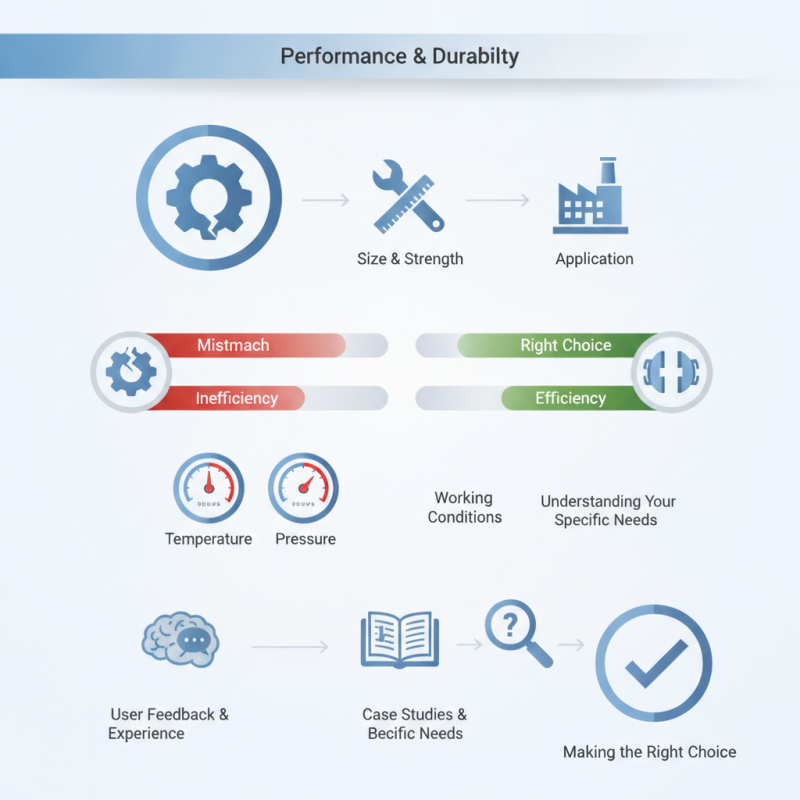
Not all couplings are created equal. Factors like size, strength, and application matter. More often, a mismatch leads to inefficiencies. For example, a poorly chosen coupling can lead to premature wear or failure in industrial applications. It is essential to consider working conditions, including temperature and pressure, when selecting a stainless steel coupling.
Building a strong foundation involves more than just technical specs. Expert insights suggest that user feedback and experience can highlight the best practices in choosing couplings. Reflecting on case studies can provide valuable lessons. Missteps in selection can often overshadow the benefits of even the finest materials. Thus, understanding your specific needs is crucial to making the right choice.
Understanding Different Types of Stainless Steel Couplings
When selecting a stainless steel coupling, understanding the different types is crucial. There are various styles, including rigid, flexible, and adjustable couplings. Each type serves distinct functions and applications. For instance, rigid couplings are ideal for applications requiring precise alignment, while flexible couplings can accommodate misalignment and vibration.
One key aspect to consider is the material composition. Stainless steel comes in various grades. The most common ones are 304 and 316. Each grade offers different levels of corrosion resistance and strength. Choosing the right grade can affect the coupling's performance and longevity.
Tips: Always assess your working environment. If your application involves corrosive substances, opt for higher-grade stainless steel. Regular inspections also help identify wear and tear. Keeping a close eye on your couplings can prevent unexpected failures. Test different coupling types under varying load conditions to find the best fit for your project. Don’t hesitate to reconsider your choice if performance doesn’t meet expectations.
Assessing the Application Requirements for Couplings
Choosing the right stainless steel coupling begins with a clear understanding of your application requirements. Consider the environment where the coupling will be used. Factors like temperature, pressure, and exposure to chemicals are vital. A coupling that can withstand harsh conditions will prevent failures and costly downtime. Corrosion resistance is crucial, especially in a wet or salty environment.
Evaluate the type of mechanical load the coupling will carry. Different applications require varying levels of flexibility and rigidity. For instance, if misalignment occurs, a flexible coupling may be necessary. Additionally, check the coupling size and ensure compatibility with your existing components. Oversized or undersized parts can lead to inefficiencies and operational issues.
Think about installation and maintenance needs. Some couplings are easier to install and service than others. This consideration can save valuable time and resources. Regular inspection is essential, but it can be challenging if access is limited. Don't overlook the importance of consulting with professionals or resources to find the best fit. Mistakes can be costly, so taking the time to assess your needs thoroughly is essential.
Stainless Steel Couplings Selection Criteria
Evaluating the Material Properties of Stainless Steel
Stainless steel is a popular material choice for couplings due to its excellent corrosion resistance. The American Society for Testing and Materials (ASTM) classifies various grades of stainless steel, each with distinct properties. For example, Type 304 stainless steel offers good weldability and strength, making it suitable for general applications.
In high-stress environments, Type 316 may perform better. It contains molybdenum, enhancing its resistance to pitting and chlorides. According to a study by the International Stainless Steel Forum, this type boasts a 10% higher tensile strength compared to Type 304, making it a preferred choice for marine and chemical applications.
While stainless steel is durable, it is not immune to flaws. Stress corrosion cracking can occur under certain conditions, particularly in high-temperature environments. Therefore, evaluating the specific conditions in which the coupling will operate is crucial. Manufacturers often highlight the importance of understanding both the thermal and mechanical properties of the selected stainless steel to avoid premature failure.
Determining the Size and Connection Type Needed
Choosing the right stainless steel coupling requires careful consideration of size and connection type. Start by measuring the diameter of the pipes you intend to connect. Accurate measurements ensure a proper fit, reducing leaks effectively. Use calipers for precision. A miscalculated size can lead to waste and extra costs.
Next, assess the connection type needed for your project. There are various options, such as threaded or welded connections. Threaded couplings are easier to install and remove. Welded connections offer durability and strength. Evaluate your project's requirements. Consider factors such as pressure levels and potential movement between pipes. These details significantly influence your choice.
It’s vital to reflect on your needs continuously. Sometimes, opting for a coupling designed for a specific application may not be the best overall choice. Flexibility in design may be necessary. Ask yourself if you need a permanent or temporary solution. The answers will guide you toward making a better-informed decision. Prioritize functionality without compromising quality.
Recognizing Key Manufacturers and Quality Considerations
When selecting a stainless steel coupling, understanding key manufacturers is vital. Established companies often uphold high standards. This commitment ensures durability, reliability, and performance. Look for certifications or industry accolades that reflect their expertise. These indicators often speak to the quality of their products.
Quality considerations play a crucial role. Not all couplings are the same, even in reputable brands. Inspect design features like threading and finishing. These elements can significantly affect performance. It's essential to consider corrosion resistance and temperature tolerance. Many couplings fail due to inadequate material selection. Thus, thorough research is necessary.
Engaging in conversations with professionals can provide deeper insights. Often, firsthand experiences reveal potential pitfalls. You may find discrepancies in performance based on different applications, which can lead to frustration. Understanding these nuances helps in making informed decisions, reducing the chance of costly mistakes.