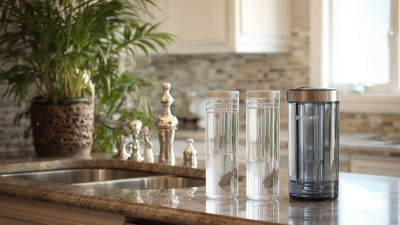
How to Choose the Right Water System Supplies for Your Home?
Choosing the right water system supplies for your home is crucial for many reasons. According to the Water Quality Association, nearly 85% of households have water quality issues that could be prevented with the right systems. These issues can impact health, taste, and appliance longevity. Understanding your specific needs is the first step in making the right choice.
Different homes have different water supply requirements. For instance, a family of four typically uses about 400 gallons of water per day. This can vary greatly based on lifestyle and local water quality. When selecting water system supplies, it's important to consider the contaminants present in your water. Reports indicate that up to 60% of residential water may contain harmful substances like lead or bacteria.
However, not all products perform equally. Many homeowners often overlook the long-term costs and maintenance of their selected systems. Basic filtration may seem sufficient, but higher-quality options could provide added protection and durability. Ultimately, a thoughtful evaluation of your water system supplies can lead to significant improvements in water quality and peace of mind for your family.
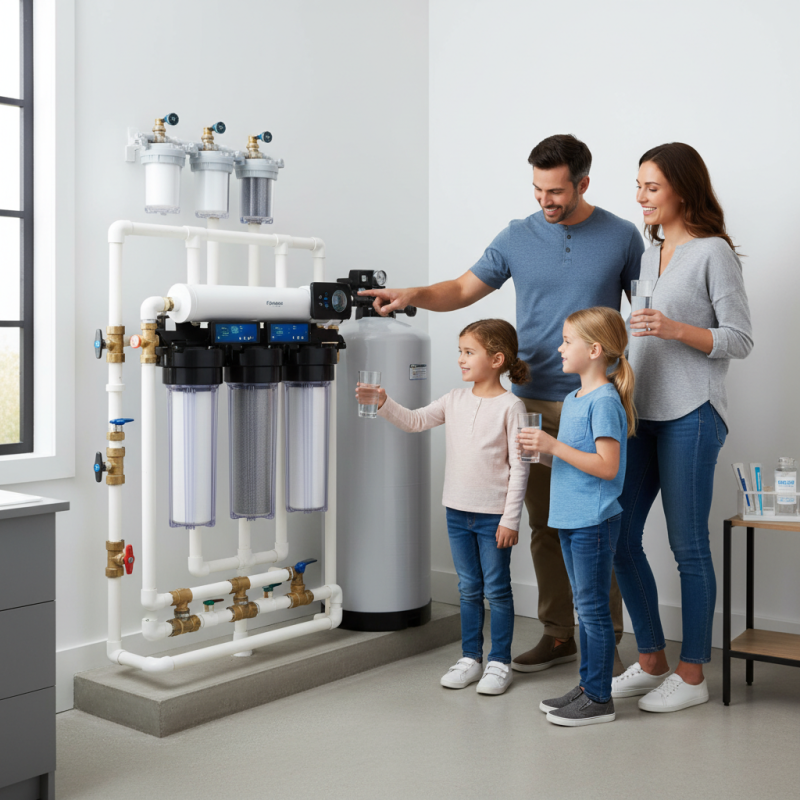
Identifying Your Household Water Needs and Usage Patterns
Identifying your household water needs is crucial for choosing the right water system supplies. Start by assessing how much water your family consumes daily. Include drinking, cooking, and cleaning. This evaluation can reveal patterns and peak usage times. You may find that the dishwasher and washing machine draw significant water. Tracking usage can help you plan better.
Look into your local water quality as well. Some households may need filtration systems to remove impurities. Others might prioritize softeners if hardness is an issue. Consider your health needs as well. If anyone in your household has specific sensitivities, the right system is vital.
It's also worth reflecting on your current setup. Are you facing frequent issues, such as low pressure or unpleasant taste? Jot down these points. They may reveal what systems you need to improve. Remember, solutions may not always be perfect. It’s about finding the best fit for your unique needs.
Evaluating Different Types of Water System Supplies Available
When evaluating different types of water system supplies for your home, it's essential to consider various factors. There are three main categories: filtration systems, piping materials, and appliances. Each option plays a critical role in your water quality and efficiency.
Filtration systems vary widely. Some filter tap water, while others offer advanced purification. Think about how much water your family uses. A small system might work for few people, but larger households might need something more robust. It's also wise to think about maintenance. Some filters need frequent changes.
Tips: Look for a system with easy access for filter changes. Regular maintenance can save hassle later.
When it comes to piping materials, choices include PVC, copper, and PEX. Each material has advantages and drawbacks. PVC is lightweight and affordable, but it may not last as long as copper. Copper is durable but typically costlier. Consider the installation process as well.
Tips: Research the installation process thoroughly before buying. Unexpected costs can arise with DIY projects. Evaluate your home’s plumbing layout to determine the best fit.
Comparing Costs and Quality of Water System Supplies
When considering water system supplies, cost and quality are critical factors. According to a 2022 industry report, the average cost of water filtration systems ranges from $150 to $1,500. This vast difference highlights the importance of understanding what you are investing in. A cheaper system may save you money initially, but it can lead to more frequent replacements, adding to long-term costs.
Quality is another crucial aspect. Studies indicate that lower-quality filtration systems can remove only about 50% of contaminants. In contrast, higher-end systems may achieve upwards of 99% removal efficiency. This ensures safer drinking water and enhances taste. However, it can be tough to tell which systems genuinely meet quality standards. Many only focus on price, overlooking benefits.
Many homeowners choose convenience over thorough research. This can lead to frustration down the line. Sometimes, a more expensive system proves to be a wiser investment. Investing in quality supplies often brings peace of mind and healthier water, which is worth considering. Understanding the trade-offs can help in making a better choice.
Comparison of Water System Supplies Costs and Quality
Understanding Installation and Maintenance Requirements
When selecting water system supplies, consider installation and maintenance carefully. The right choice can save you time and money. Understand what your home requires before purchasing. Research compatibility with existing systems. Each type of water supply system has its unique installation steps.
Tips: Always check local codes before installation. They can impact your choices.
Proper maintenance is vital. It keeps your systems running smoothly. Schedule regular inspections. Look for leaks or signs of wear. Ignoring small issues can lead to bigger problems.
Tips: Create a maintenance log. Track inspections and repairs. This aids in spotting recurring issues.
Reviewing installation instructions can be daunting. Don't hesitate to ask for help. Consulting a professional can avoid costly mistakes. Home improvement takes patience and persistence. Deal with imperfections as they come. Your water system's reliability depends on it.
How to Choose the Right Water System Supplies for Your Home? - Understanding Installation and Maintenance Requirements
| Supply Type |
Installation Complexity |
Maintenance Frequency |
Estimated Lifespan |
| Water Heater |
Medium |
Annually |
10-15 years |
| Water Softener |
Medium |
Semi-annually |
5-10 years |
| Reverse Osmosis System |
High |
Quarterly |
3-5 years |
| Filtration System |
Low |
Monthly |
2-4 years |
| Piping and Fittings |
Low |
As needed |
20-50 years |
Researching Brands and Customer Reviews for Reliability
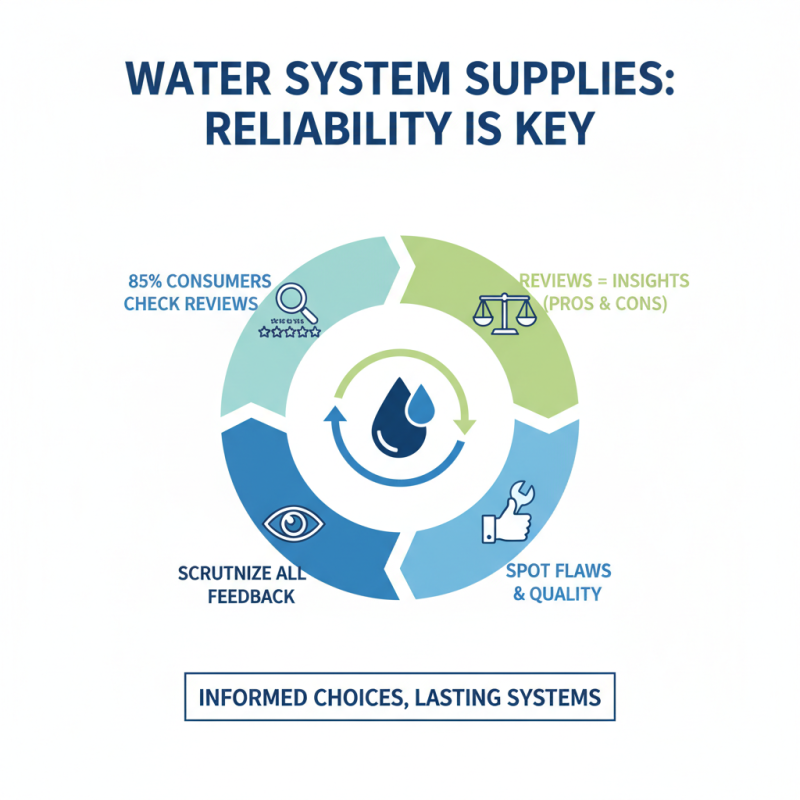
When selecting water system supplies, reliability is key. Research indicates that about 85% of consumers prioritize product reviews before making a purchase. These reviews often highlight potential issues and performance inconsistencies. Scrutinize both positive and negative feedback. A single negative review might reveal a significant flaw, while numerous positive accounts can demonstrate quality.
Dive into customer experiences on various platforms. Some reports show that products with higher ratings can reduce maintenance costs by around 30%. Investigate the common pitfalls mentioned by users. It’s essential to know what problems others faced. Pay attention to recurring themes, such as durability or filtration efficiency. Not all reputable brands live up to their claims. It often requires patience and thorough research to find the most dependable options.
Additionally, consider expert opinions. Industry analysis suggests that top-rated products in their category frequently outperform others. However, don’t overlook the fine print. Many highly rated items come with caveats, like shorter lifespans or complex installation requirements. Balancing user expectations with expert recommendations can be tricky. A well-rounded decision usually involves weighing personal needs against community insights.