How to Choose the Best Water Conditioning Systems?
Choosing among water conditioning systems begins with the water entering your home, not a glossy product label. A clear glass can still hide hardness, iron, chlorine, sediment, or unwanted microorganisms. Start with a certified laboratory test and review the results with a qualified water professional. Well water may change after heavy rain. Municipal water can also vary across neighborhoods. These details shape the right solution. A softener, carbon filter, or reverse osmosis unit solves different problems.
Look for performance data, appropriate NSF/ANSI certification, and transparent replacement costs. Certification does not guarantee perfect results. It confirms that specific claims were evaluated under defined conditions. Ask how much water the system wastes, how often it regenerates, and what happens during a power outage. A professional should explain these points without pressure. If an installer avoids test results, be cautious. That is a useful warning sign.
In my experience reviewing household water choices, maintenance is where attractive promises often fail. A neglected filter may reduce flow and weaken treatment. Keep a service log. Note dates, odors, pressure changes, and cartridge replacements. Compare those observations with the manufacturer’s instructions and your test report. No system is perfect. Your priorities may conflict: lower cost, less salt, smaller footprint, or stronger contaminant reduction. This guide will weigh those trade-offs carefully, helping you choose a dependable option rather than the most impressive-looking equipment.
What Water Conditioning Systems Do and Why They Matter
How to Choose the Best Water Conditioning Systems?
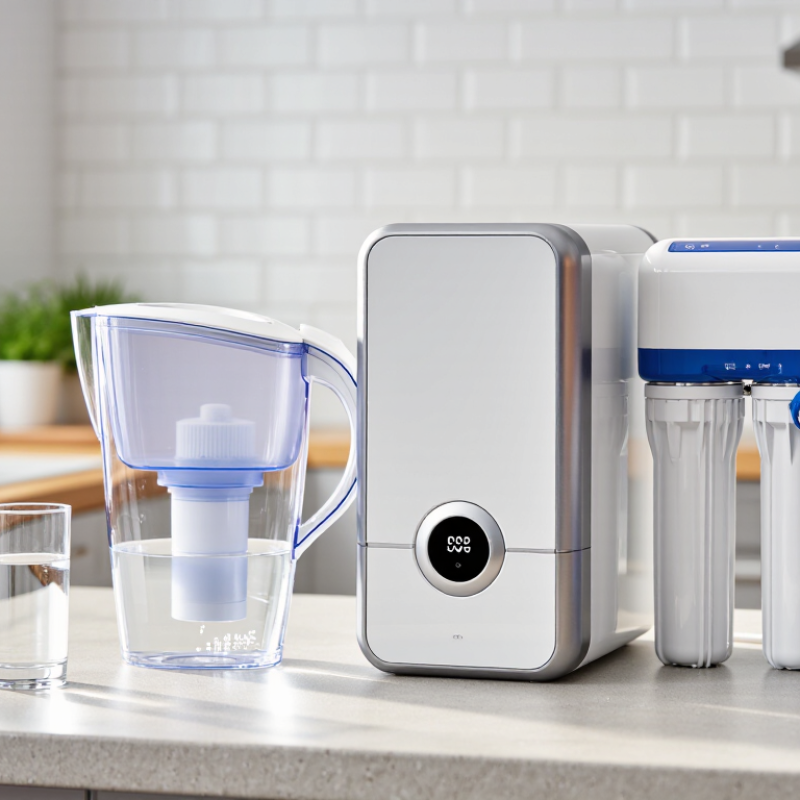
Water conditioning systems manage specific water problems, rather than fixing everything. Softening reduces calcium and magnesium that create scale on heaters, faucets, and shower glass. Filtration can reduce sediment, chlorine taste, or selected contaminants. Neutralizing equipment may correct acidic water and protect metal pipes. Disinfection targets microorganisms, but ordinary softeners do not make unsafe water safe. That distinction matters.
The World Health Organization and UNICEF reported that 2.2 billion people lacked safely managed drinking water in 2022. This figure shows why testing should guide equipment choices. A certified laboratory can measure hardness, pH, iron, manganese, nitrate, and microbial indicators. The U.S. Geological Survey classifies water above 180 milligrams per liter as calcium carbonate as very hard. In a home, that may appear as white crust around a kettle or stiff laundry.
Choose treatment by evidence, capacity, maintenance needs, and independently verified performance. Check whether the system matches daily water use and peak flow. Review replacement intervals and wastewater requirements before installation. The U.S. Environmental Protection Agency lists 500 milligrams per liter as a secondary guideline for total dissolved solids, mainly for taste and scaling concerns. It is not a universal health limit. A smaller system may be cheaper, but undersizing can cause poor results. I would not trust dramatic claims without a current water report and recognized certification. No system is perfect. Even careful recommendations can change when seasonal well conditions shift.
How to Choose the Best Water Conditioning Systems? - What Water Conditioning Systems Do and Why They Matter
| System Type | Primary Function | Best Suited For | What It Typically Reduces | Key Limitations | Routine Maintenance | Typical Installation Point |
|---|---|---|---|---|---|---|
| Ion-Exchange Water Softener | Exchanges calcium and magnesium ions for sodium or potassium ions. | Hard water that causes scale, soap residue, and reduced heating efficiency. | Hardness minerals, including calcium and magnesium. | Does not disinfect water or reliably remove most dissolved chemicals, bacteria, or sediment. | Add regeneration salt or potassium chloride; inspect the brine tank and check settings. | Point of entry, usually after the main shutoff and before the water heater. |
| Activated Carbon Filter | Adsorbs selected contaminants onto a carbon media surface. | Improving taste and odor, especially where chlorine is present. | Chlorine, many taste- and odor-causing compounds, and some organic chemicals, depending on the media and certification. | Performance varies by contaminant; it generally does not soften water or remove microorganisms consistently. | Replace cartridges or carbon media according to capacity, pressure drop, or test results. | Under the sink for drinking water or at the point of entry for whole-house treatment. |
| Reverse Osmosis System | Uses pressure to push water through a semipermeable membrane. | Producing treated drinking and cooking water when dissolved solids are a concern. | A broad range of dissolved salts and contaminants, subject to membrane type, pretreatment, and certification. | Produces a reject-water stream, works slowly, requires pretreatment, and is not designed to treat all household water demand. | Replace sediment and carbon prefilters; replace the membrane and sanitize the system as recommended. | Point of use, commonly beneath a kitchen sink with a dedicated faucet. |
| Ultraviolet Disinfection | Uses ultraviolet light to inactivate microorganisms. | Private wells or other supplies where microbial contamination is a concern. | Many bacteria, viruses, and protozoa when the unit delivers the required UV dose. | Does not remove chemicals, hardness, or particles; cloudy water can reduce treatment effectiveness. | Replace the UV lamp on schedule, clean the quartz sleeve, and keep the chamber free of fouling. | Point of entry, installed after sediment filtration and before distribution. |
| Sediment Filtration | Physically traps suspended particles before they enter the plumbing system. | Water containing sand, silt, rust particles, or visible debris. | Suspended solids, with performance determined by the filter's micron rating. | Does not remove dissolved minerals, most chemicals, or microorganisms. | Replace or clean the filter when clogged or when pressure drops noticeably. | Point of entry, commonly used as pretreatment for other systems. |
| Iron and Manganese Treatment | Oxidizes dissolved metals so they can be captured by a filtration media. | Private wells with staining, metallic taste, or unpleasant odors associated with iron or manganese. | Iron, manganese, and in some configurations hydrogen sulfide odor. | Required treatment depends on pH, concentration, oxidation state, and water chemistry. | Backwash or regenerate the media; monitor flow, pressure, and water-test results. | Point of entry, usually after a pressure tank and before other polishing filters. |
| Chemical Injection and Filtration | Adds a controlled treatment chemical, followed by contact time and filtration. | Difficult well-water conditions requiring oxidation, pH adjustment, or broader treatment control. | Selected metals, sulfide odors, acidity, or other contaminants depending on the chemical and filter design. | Needs accurate dosing, electrical power, space, and professional water-chemistry evaluation. | Refill chemical solution, inspect pumps and tanks, backwash media, and verify dosing. | Point of entry, designed as a coordinated treatment train. |
Related Posts
-
Best Hard Water System Options for Your Home in 2026?
-
How Water Systems Impact Sustainability and Our Future Living Environments
-
10 Essential Tips for Choosing the Right Water Conditioning Systems
-

How to Choose the Best System Water Solutions in 2026?
-
Top 10 Water Reclamation Systems Manufacturers in China
-
What Are Water Solutions for Global Buyers?