How to Choose the Best Water Pump System for Your Needs?
Choosing the right water pump system is crucial for effective water management. A well-suited system can enhance efficiency and reduce energy costs. However, picking the best option can be overwhelming due to the variety of choices available.
When selecting a water pump system, consider your specific needs. Think about the water source, flow rate, and required pressure. These factors significantly influence your decision. Additionally, understanding the pump's specifications helps in making an informed choice. Reliable brands often provide better performance and durability, which is essential.
Reflect on your unique requirements. Each setting, whether residential or agricultural, presents its own challenges. Misjudging your needs could result in inefficient operation or increased costs. Therefore, carefully evaluate your situation before making a purchase. Ultimately, the right water pump system will not only meet your demands but also enhance your overall water management strategy.
Understanding Your Water Pump Needs and Requirements
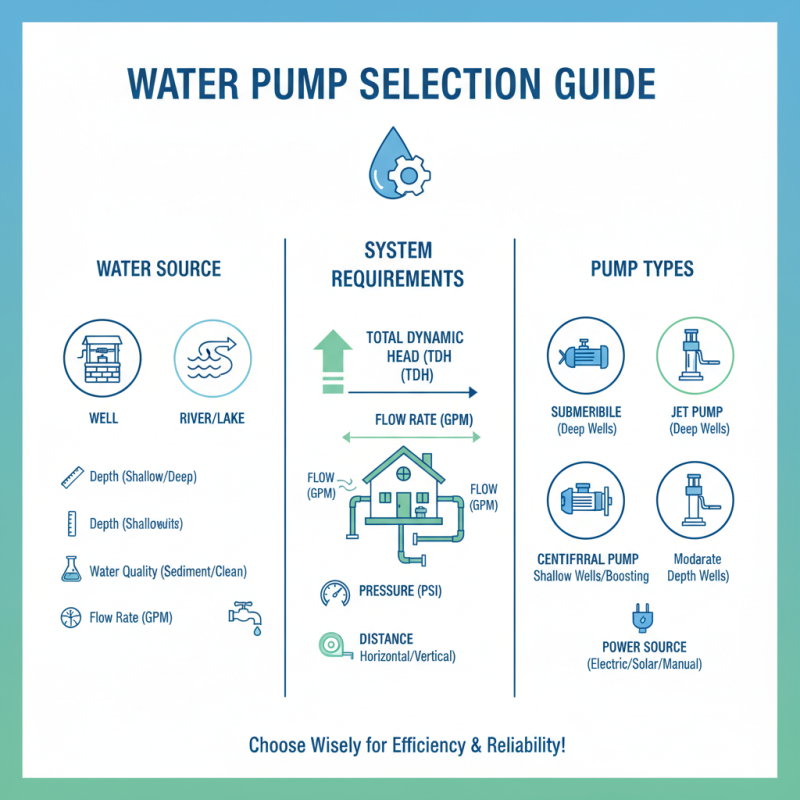
Choosing the right water pump system starts with understanding your unique needs. Consider the specific requirements of your water source. Are you drawing from a well or a river? The water quality, depth, and flow rate can greatly influence your selection. For instance, a shallow well may require a different pump than a deep one. Knowing the total dynamic head and flow rate needed will guide your options.
It’s essential to evaluate the intended use of the water pump. Will it be for irrigation, domestic use, or industrial purposes? Each application has different demands. For irrigation, consider the size of your field and the pressure needed. Domestic systems may focus on quieter operation and reliability. Reflecting on these factors can lead to a more informed choice.
Lastly, consulting experts or resources can enhance your decision-making process. Gathering insights into performance ratings and maintenance requirements is valuable. However, it's crucial to question these sources. Not all information is straightforward. Consider both expert advice and field experiences to form a well-rounded perspective. Balancing these elements ensures your choice aligns with your true needs.
Types of Water Pumps: A Comprehensive Overview
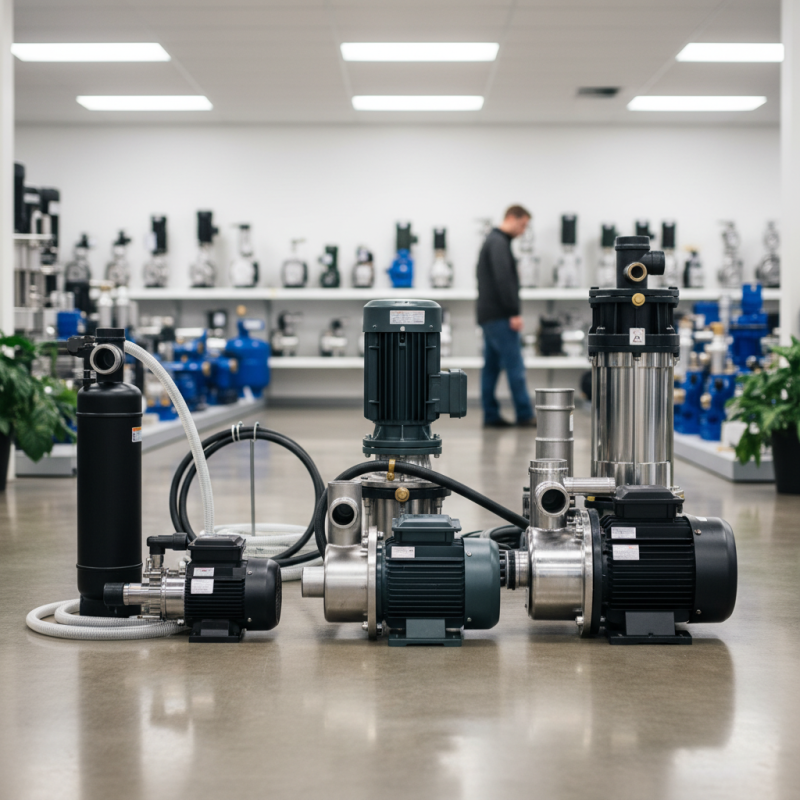
When selecting a water pump, understanding the different types available is crucial. There are several categories: Centrifugal pumps, submersible pumps, and positive displacement pumps. According to the Water and Wastewater Equipment Manufacturers Association, the worldwide water pump market is projected to reach $70 billion by 2025. This growth reflects the expanding demand across various sectors.
Centrifugal pumps are ideal for moving large volumes of water quickly. They work well in applications like irrigation and municipal water supply. In contrast, submersible pumps excel in scenarios requiring water extraction from deep wells or reservoirs. These pumps can be more efficient than surface pumps since they push water to the surface. However, they may require more maintenance. The choice often depends on specific needs and conditions.
Positive displacement pumps provide a fixed flow rate. They are favorable in applications needing consistent pressure, such as in hydrocarbon processing. While they may be less efficient for high flow scenarios, their reliability is unquestionable. Each type has its merits, but potential users must reflect on their unique requirements before making a decision. A poor choice can lead to inefficiencies, increased costs, and functional issues in the long run.
Factors to Consider When Selecting a Water Pump System
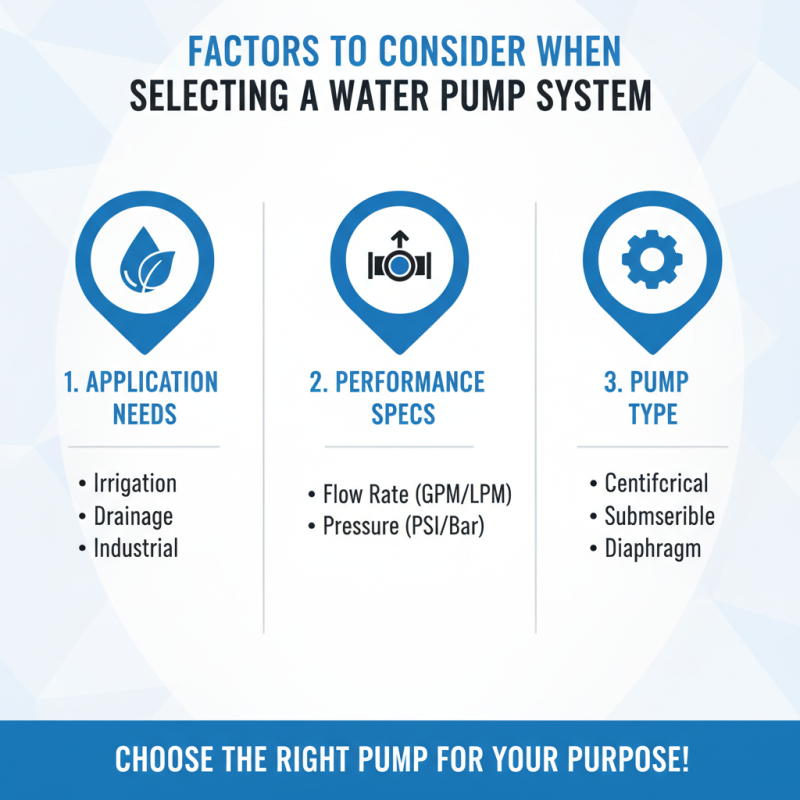
Choosing the right water pump system requires careful thought about several essential factors. Begin by assessing the specific needs of your application. Will you use it for irrigation, drainage, or industrial purposes? Each function demands different performance specifications, including flow rate and pressure requirements. Understanding your purpose helps narrow down the options available.
Next, consider the pump's efficiency and energy consumption. Select a system that not only meets your performance needs but also operates efficiently. High-efficiency pumps can save significant energy costs over time, which is crucial for long-term operation. Look for systems that provide reliable performance under varying conditions. This means checking for features like automatic shut-off and variable speed controls, which enhance usability.
Lastly, don't overlook the installation and maintenance aspects. A complex installation can lead to increased costs and a lengthy setup process. Evaluate whether you or a professional will handle installation. Regular maintenance is also vital for longevity. Systems that are easier to maintain may be more viable in the long run. Reflect on these factors as you make your decision, ensuring it aligns with your actual needs and capabilities.
Assessing Flow Rate and Pressure Requirements
When choosing a water pump system, understanding flow rate and pressure requirements is crucial.
Flow rate measures how much water the pump can move over time. It’s often measured in gallons per minute (GPM) or liters per second (L/s). For gardening or home use, a flow rate of 5-10 GPM may suffice. However, irrigation systems might require 20 GPM or more. Assess the specific demands of your setup before making any decisions.
Pressure is equally important. It measures the force with which water is delivered through pipes. In residential settings, a household typically requires 40 to 60 PSI (pounds per square inch). Higher PSI ensures adequate pressure for showers, washing machines, and outdoor sprinklers.
Consider also the elevation changes in your installation area. If you are pumping water uphill, you may need a pump that can handle extra pressure.
Careful evaluation of your specific needs will lead to a more efficient system. Avoid relying on general recommendations. Each installation is unique. You may find that the ideal pump for one situation fails in another. Consider user reviews, but also gather insights from local experts. Always keep in mind the trade-offs between capacity and energy efficiency. This often leads to deeper understanding and better choices, despite the overwhelming options available.
Installation and Maintenance Tips for Your Water Pump System
Installing a water pump system involves several critical steps. Choose a suitable location that is dry and level. Ensure easy access for maintenance. A secure foundation is essential to prevent vibrations. Identify the required power source. It must be adequate to support your pump’s specifications. Lack of proper setup can lead to problems later on.
Maintaining your water pump system is equally important. Regularly check for leaks in the connections. Inspect the motor and electrical parts for signs of wear. Clean the pump filters to prevent clogs. If you notice unusual noises, investigate immediately. This could indicate a deeper issue that needs addressing. Avoiding delay in maintenance helps in extending the lifespan of the pump.
Creating a checklist can simplify the maintenance process. Document each inspection, noting any irregularities. This practice can help build a reliable maintenance history. Be prepared for unexpected challenges. Sometimes, issues arise that are beyond your control. Reflect on these experiences to enhance your future planning. Each step taken today has a significant impact on the pump’s performance tomorrow.
How to Choose the Best Water Pump System for Your Needs?
| Parameter |
Consideration |
Recommendations |
| Flow Rate |
Determine how much water you need to pump. |
Choose a pump with a flow rate that meets or exceeds your needs. |
| Head Height |
Measure the vertical distance the water needs to be pumped. |
Select a pump capable of achieving the required head height. |
| Type of Water |
Assess if the water is clean, dirty, hot, or cold. |
Opt for specialized pumps for dirty or hot water applications. |
| Power Source |
Decide whether you need an electric, gas, or solar-powered pump. |
Choose a power source based on availability and convenience. |
| Installation Location |
Evaluate if it’s indoors or outdoors. |
Ensure proper weatherproofing for outdoor installations. |
| Maintenance |
Consider how easy it is to maintain the pump. |
Select a pump with accessible parts and clear maintenance guidelines. |
| Cost |
Establish your budget for purchase and operation. |
Balance initial cost with long-term efficiency and durability. |