How to Choose the Best Water Refining System for Your Needs?
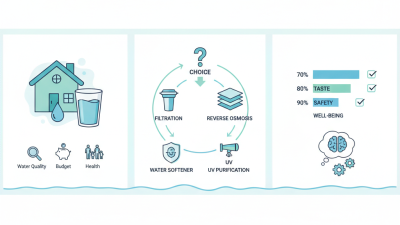
Choosing a suitable water refining system can be overwhelming. Many options exist, and each has unique features. The quality of your water is essential for a healthy lifestyle.
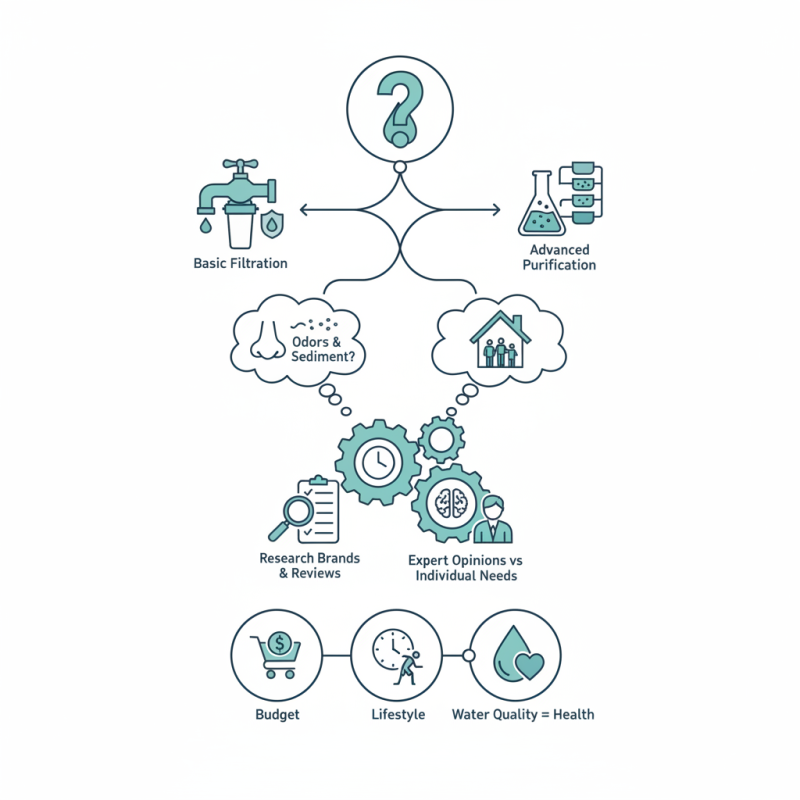
Understanding your specific needs is crucial. Do you require basic filtration or advanced purification? Consider foul odors or sediment as potential issues. Not every system will address all problems effectively. A system that works for one household may not suit another.
Researching various systems enhances your decision. Look for reliable brands with solid user reviews. Expert opinions can guide you, but individual needs vary. A system must align with your lifestyle and budget. This choice requires careful thought, as your water quality impacts daily routines.
Factors to Consider When Selecting a Water Refining System
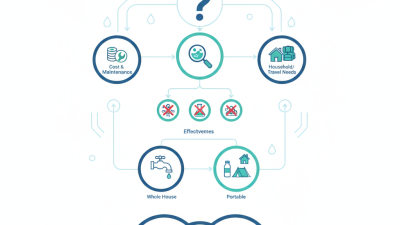
Choosing the right water refining system is crucial. It impacts water quality and your health. One key factor is water source. Well water may contain different contaminants than municipal sources. Knowing what's in your water helps you choose effectively.
Another important consideration is the type of filtration.
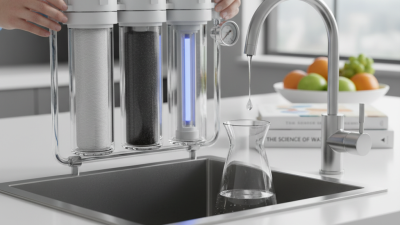
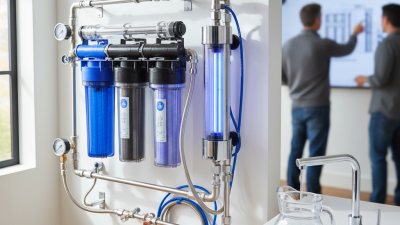
Reverse osmosis, UV treatment, and carbon filters serve different needs. Some systems may not remove heavy metals, while others might not deal well with bacteria. Understanding how these methods work ensures you select a system that meets specific issues.
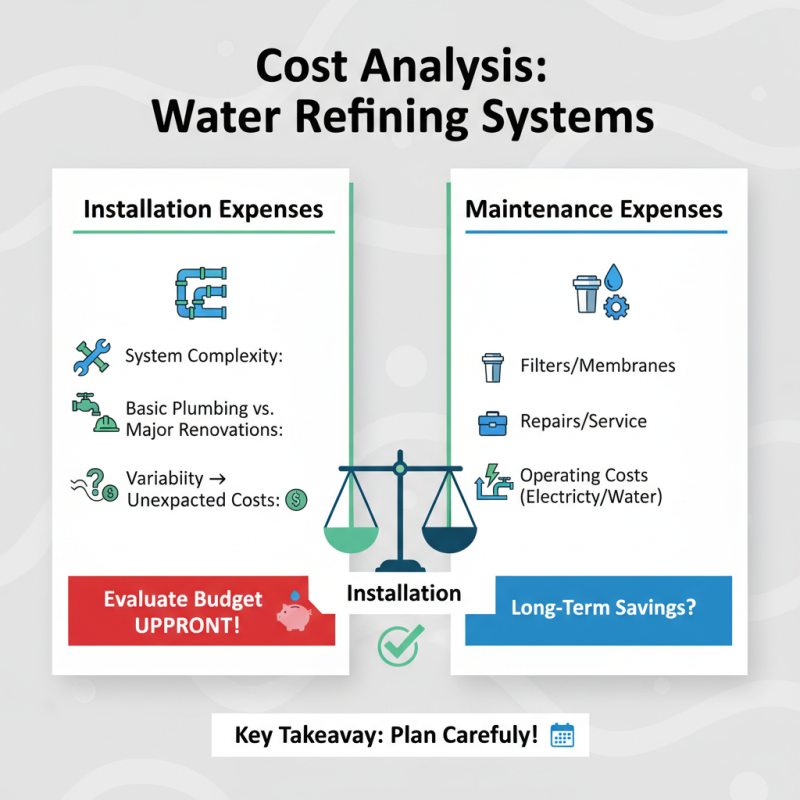
Cost and maintenance are often overlooked. A cheaper system might require more frequent replacements.
This can lead to higher expenses over time. Check how often filters need changing. Reliability in performance is essential, but it can sometimes take a back seat to price. This balance is where many buyers struggle. Reflecting on these aspects is crucial for making informed decisions.
Types of Water Refining Technologies and Their Effectiveness
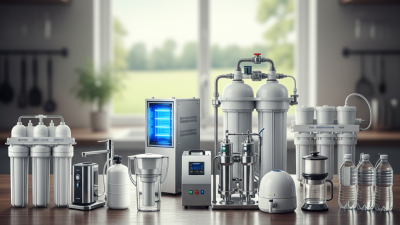
When exploring water refining technologies, it's important to understand the different options available.
Reverse osmosis is one popular method. It uses a semi-permeable membrane to remove impurities from water. This system can be highly effective in eliminating contaminants.
However, it also wastes a significant amount of water during the filtration process.
Another technology is ultraviolet (UV) purification. This method uses UV light to kill bacteria and viruses. It's efficient and requires minimal maintenance.
However, UV purification does not remove dissolved solids, which can still affect water quality. Many often overlook this factor, assuming UV alone is sufficient for clean water.
Activated carbon filters are also widely used. They excel at improving taste and odor, removing chlorine and other chemicals.
Yet, they may not effectively target heavy metals or certain pathogens. Choosing the right system can be challenging.
Each technology has its strengths and weaknesses. It's essential to consider specific water quality issues before making a decision.
Understanding Contaminants: What Needs to Be Removed?
Water quality is a crucial element for health. Numerous contaminants can affect our daily lives. According to the World Health Organization, about 2 billion people globally use contaminated drinking water. Understanding these contaminants is vital when choosing a water refining system.
Heavy metals, bacteria, and chemicals frequently appear in tap water. A study from the Environmental Protection Agency shows that lead and mercury are common concerns in urban areas. Bacteria can cause illnesses, while chemicals impact long-term health. Evaluating local water quality reports can help identify specific contaminants in your area.
Tips for selecting a water refining system:
- Research contaminants in your water.
- Consult local health departments for guidance.
- Look for systems that specifically target your concerns.
Many homeowners overlook bacteria and sediments. These can accumulate unnoticed over time. Testing your water periodically can reveal hidden issues. Be cautious of systems that claim to remove everything; they may not be necessary for your specific situation. Understanding what needs to be removed creates a more informed choice.
Water Contaminants and Their Removal Effectiveness
Capacity and Flow Rate: Matching System Size to Household Needs
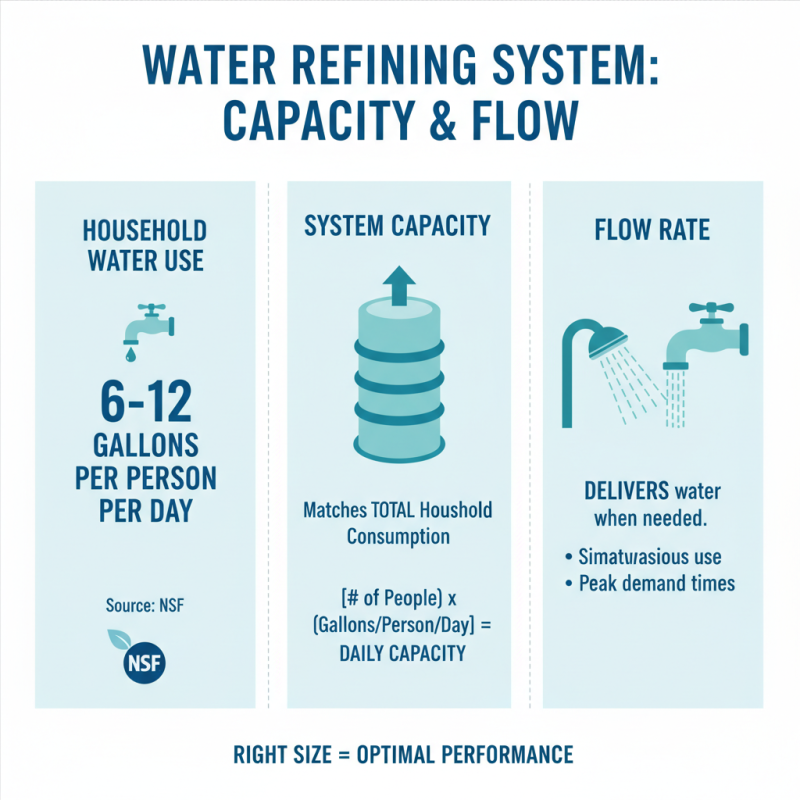
Choosing the right water refining system involves understanding capacity and flow rate. These factors directly impact how well the system meets your household's needs. According to the National Sanitation Foundation (NSF), a household typically requires between 6 to 12 gallons of water per person each day. This figure highlights the need for a system that can handle your household's consumption.
When selecting a water refining system, consider peak flow rates. A system's flow rate measures how many gallons of water it can produce per minute. For an average family of four, a flow rate of at least 8 gallons per minute may be necessary during peak usage times. Not meeting this demand can lead to inconsistent water quality and supply. Yet, higher flow rates often come with a larger upfront investment and increased energy costs.
Moreover, reflecting on the system’s capacity is crucial. Many systems have a tank size of around 30 to 60 gallons. However, if your household experiences high water demand, opting for a larger tank or additional units might be beneficial. Balancing your needs with your budget may be challenging. Being mindful of these factors ensures that you invest wisely in a water refining system that doesn't just meet your current demands but anticipates future needs as well.