Ultimate Guide to Solenoid Valve Tips for Irrigation Systems?
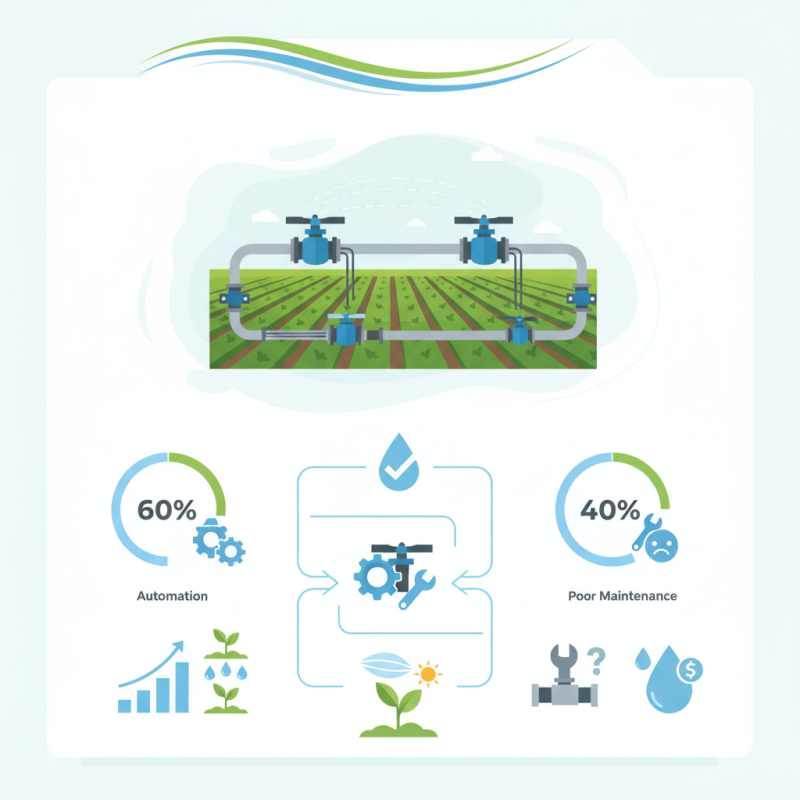
In modern agriculture, efficient water management is crucial. One essential component is the Solenoid Valve In Irrigation Systems. According to a 2022 report by the Irrigation Association, nearly 60% of farmers rely on automated systems, showcasing the growing importance of technology.
Solenoid valves control water flow precisely, minimizing wastage. In fact, they can improve efficiency by up to 30%, as noted in several industry studies. However, many users overlook maintenance. A survey found that 40% of irrigation systems fail due to poor upkeep.
Understanding how to implement and maintain solenoid valves is vital. Farmers often grapple with issues like improper installation or inadequate troubleshooting skills. These shortcomings can lead to significant water loss and increased costs. By addressing these challenges, we can optimize irrigation practices.
Key Functions and Benefits of Solenoid Valves in Irrigation Systems
Solenoid valves play a crucial role in irrigation systems. They control the flow of water to different areas based on set schedules. This allows for precise watering, which can save water and reduce costs. When the valve is activated, it opens up for water to flow. It's simple but effective.
These valves offer multiple benefits. They can automate irrigation, making it easier for users. With remote control, users can manage their systems from anywhere. This convenience encourages efficient water usage. Moreover, solenoid valves can reduce human error. Manual watering can lead to overwatering or underwatering. But with these valves, the risk decreases significantly.
However, challenges exist. Sometimes, a solenoid valve might malfunction due to dirt or wear. Such issues can cause leaks or inconsistent watering. Regular maintenance and checking are essential. Users often overlook this step, leading to bigger problems. Being proactive can enhance the system's reliability.
Types of Solenoid Valves: Choosing the Right One for Your Needs
When choosing a solenoid valve for irrigation systems, consider the types available. Each type serves a unique purpose and fits various needs. For example, normally closed valves prevent water flow until activated, ideal for systems that require immediate shut-off. Conversely, normally open valves allow continuous flow until switched off, providing a different approach to irrigation needs.
Pressure ratings also matter. Low-pressure systems may not require the same robust valves as high-pressure ones. Additionally, think about the valve size. A small garden might need a valve with a lower flow rate, while larger areas require higher capacities. Here, mismatched sizes can lead to inefficient irrigation or wasted resources.
Installation can be tricky. Ensure you have the right fittings and tools. Improper installation can lead to leaks or failure. Even experienced users sometimes overlook vital checks. Regular maintenance is essential to longevity but can be neglected. Take time to inspect your valve regularly to optimize performance.
Solenoid Valve Types and Applications in Irrigation Systems
This chart illustrates the different types of solenoid valves commonly used in irrigation systems and their respective applications.
Installation Guidelines for Efficient Solenoid Valve Setup
When installing solenoid valves for irrigation systems, efficiency is key. Proper setup can drastically improve water management. According to a report by the Irrigation Association, effective valve installation can enhance system performance by up to 30%. This highlights the importance of determining the right valve type and size for your specific needs. It's not just about choosing random options, but understanding your water flow requirements and pressure conditions.
Placement is also vital. Valves should ideally be located close to the water source. This reduces pressure loss and potential clogs. At times, installers overlook this detail, leading to inefficiencies. A common mistake is not accounting for the slope of the land. Uneven terrain can affect water distribution. Hence, always assess your area’s topography beforehand.
Lastly, regular maintenance is crucial. Checking for leaks or blockages should be routine. Neglecting this step can lead to increased water waste. A study indicated that up to 50% of irrigation system issues stem from improper maintenance. Remember, a well-installed valve doesn’t guarantee efficiency without continued care.
Ultimate Guide to Solenoid Valve Tips for Irrigation Systems - Installation Guidelines for Efficient Solenoid Valve Setup
| Component | Description | Installation Tips | Maintenance Frequency |
| Solenoid Valve | Controls the flow of water in the irrigation system. | Ensure proper orientation and secure connections to prevent leaks. | Check annually |
| Control Wiring | Electrical wires that connect the solenoid to the controller. | Use waterproof connectors to protect against moisture. | Inspect quarterly |
| Backflow Preventer | Prevents contaminated water from flowing back into the supply system. | Install upstream from the solenoid valve for maximum effectiveness. | Check every 6 months |
| Filter | Removes debris from the water before it enters the system. | Clean or replace filters according to the manufacturer's recommendations. | Monthly cleanings recommended |
| Flow Rate Sensor | Monitors the water flow rate in the irrigation system. | Ensure proper placement for accurate readings and easy accessibility. | Inspect annually |
Maintenance Tips to Extend the Life of Your Solenoid Valves
Maintaining solenoid valves in irrigation systems is crucial for efficiency. Regular checks can prevent unexpected failures. Look for signs of wear, such as corrosion or cracks. These issues can lead to leaks and disrupt the system. An inspection at least twice a year is recommended.
Cleaning is vital. Debris can clog valves, affecting performance. Remove any dirt or buildup regularly. Use a soft brush or cloth to avoid damaging components. Keeping the area around the valves clean can also help. This small step can extend their lifespan significantly.
Finally, don’t forget about wiring. Damaged wires can cause malfunction. Check connections for wear or fraying. Replacing old wiring can prevent major issues later. It’s easy to overlook but critical for proper functionality. Regular maintenance keeps your irrigation system running smoothly.
Common Troubleshooting Issues with Solenoid Valves in Irrigation Systems
Solenoid valves are essential in irrigation systems, but they can present common issues. One typical problem is water leakage. Over time, seals can wear out. You may notice water pooling around the valve. This can lead to waste and increased costs. Checking seals regularly is crucial. Sometimes, simply tightening connections can solve this issue.
Another frequent problem involves the valve not opening or closing. This can be caused by electrical issues or dirt buildup. Inspecting the wiring for frays or breaks can be useful. If dirt is the culprit, cleaning the valve may help. Just remember, neglecting these small tasks can cause bigger problems later on.
Lastly, the valve can become stuck. This often happens with infrequent use. Regular exercise of the valve can prevent sticking. It might require a bit of effort, but it’s worth it. Addressing issues early can save time and money. Adjust your maintenance routine to keep everything running smoothly. Be proactive, not reactive.