Top 10 Benefits of Water Refining Systems for Home and Business Use
In today's world, access to clean and safe water is essential for both personal health and business operations. A water refining system is a vital investment that can vastly improve water quality in residential and commercial settings. These systems employ advanced filtration and purification technologies that effectively remove harmful contaminants, ensuring that the water we use for drinking, cooking, and daily activities is not only safe but also refreshing and appealing.
The benefits of implementing a water refining system extend beyond just health advantages. They can lead to significant cost savings by reducing reliance on bottled water and minimizing maintenance costs associated with plumbing issues caused by impurities in untreated water. Moreover, by fostering a sustainable approach to water usage, these systems contribute to environmental conservation efforts. In this article, we will explore the top ten advantages that water refining systems can provide for both home and business use, highlighting their pivotal role in enhancing quality of life and operational efficiency.

Overview of Water Refining Systems: Definition and Types
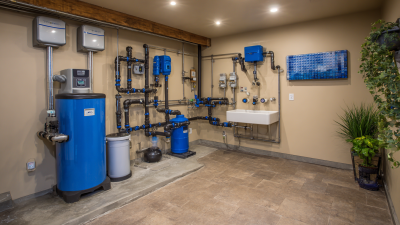
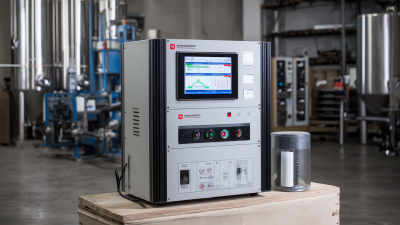
Water refining systems, often referred to as water purification systems, play a crucial role in ensuring that both households and businesses have access to clean and safe water. At their core, these systems are designed to remove contaminants and impurities from water, improving its quality for various uses. The primary types of water refining systems include reverse osmosis, carbon filtration, ultraviolet disinfection, and distillation, each employing unique methods to achieve water purity. According to research from the Water Quality Association, approximately 85% of households in the United States utilize some form of water treatment system, highlighting the critical need for effective purification technologies.
Reverse osmosis systems are one of the most common types used in both residential and commercial settings, effectively reducing up to 95% of total dissolved solids (TDS) and removing harmful pollutants like lead and nitrates. Meanwhile, carbon filtration systems are excellent for eliminating chlorine and improving taste and odor, making them a popular choice for both kitchen and drinking water. Reports from the Environmental Protection Agency indicate that households using these systems can see significant improvements in water quality, often leading to enhanced health outcomes due to lower exposure to contaminants. As concerns about water quality continue to rise, largely spurred by climate change and industrial pollution, the adoption of water refining systems is expected to grow, driven by the critical demand for safe drinking water and reliable purification processes.
Top 10 Benefits of Water Refining Systems for Home and Business Use
Enhanced Drinking Water Quality: Health Benefits of Purified Water
Purified water significantly enhances drinking water quality, providing numerous health benefits crucial for both individual and family well-being. Water refining systems effectively remove contaminants such as chlorine, heavy metals, and harmful microorganisms, which can adversely affect health when consumed. By ensuring that the water is clearer, better tasting, and devoid of unwanted chemicals, these systems promote hydration and encourage healthier drinking habits.
Moreover, access to clean, purified water supports better digestion and metabolic functions. It aids in the detoxification process by helping the body eliminate waste and toxins more efficiently. Additionally, purified water contributes to improved skin health, as hydration plays a vital role in maintaining skin elasticity and preventing dryness. Regular consumption of refined water can also bolster immune function, reducing the risk of various illnesses. As awareness around the importance of water purity grows, integrating water refining systems into homes and businesses becomes a sensible investment in health and wellness.
Economic Advantages: Cost Savings for Homeowners and Businesses
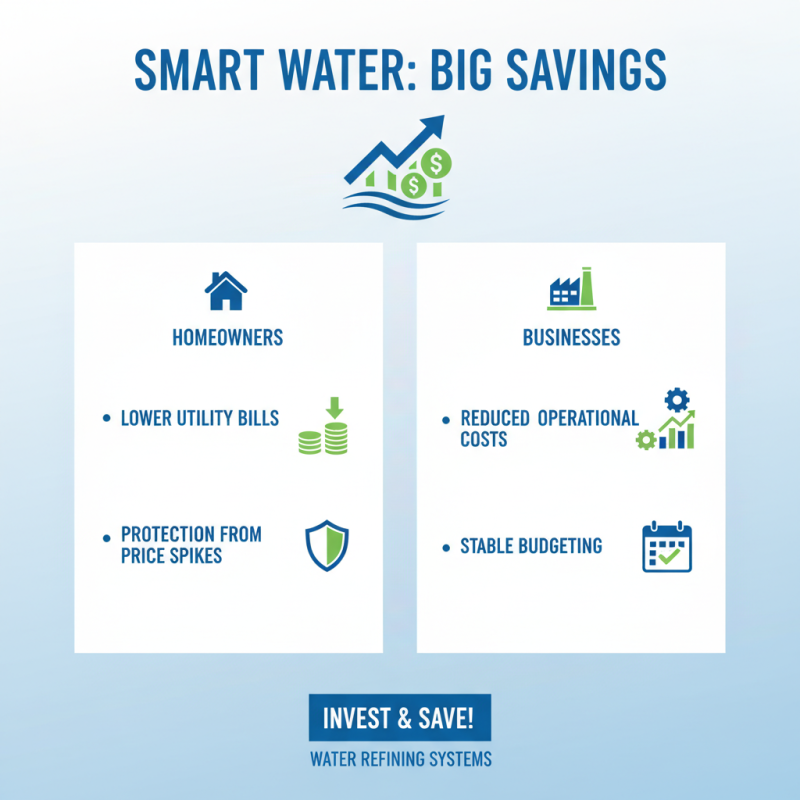
Investing in water refining systems offers considerable economic advantages for both homeowners and businesses. One of the most significant benefits is the reduction in water costs. By treating their own water supply, property owners can decrease their dependence on municipal water services, which can be quite expensive. This independence not only leads to lower monthly utility bills but also protects consumers from fluctuations in water prices that can occur due to droughts or infrastructure issues.
Furthermore, water refining systems contribute to long-term savings by reducing the amount spent on bottled water and other disposable drink containers. For homes, this means families can enjoy clean, purified drinking water straight from their taps, minimizing the need for purchases of bottled water. For businesses, especially those in the hospitality and food service industries, providing high-quality water can enhance customer satisfaction and loyalty, thus potentially increasing revenue. Overall, the initial investment in a water refining system quickly pays off, making it a financially savvy choice for anyone looking to optimize their water usage and expenses.
Environmental Impact: Reducing Plastic Waste through Water Refining
The environmental impact of plastic waste has become a pressing issue, particularly with single-use plastics dominating the market. Water refining systems play a crucial role in mitigating this crisis by offering a sustainable alternative to bottled water. By installing these systems in homes and businesses, individuals can significantly reduce their reliance on plastic bottles, leading to a decrease in overall plastic consumption. This shift not only conserves resources used in plastic production but also diminishes the amount of waste that ends up in landfills and oceans.
Moreover, water refining systems provide a cleaner, safer drinking water option while minimizing environmental footprint. With the ability to purify tap water and remove contaminants, these systems offer a solution that encourages responsible consumption. As people become more aware of their carbon footprint, the adoption of water refining systems can catalyze broader environmental consciousness, promoting lifestyles that prioritize sustainability. This approach not only benefits individual health and wellness, but it also contributes to a collective effort to protect our planet for future generations.
User Convenience: Ease of Installation and Maintenance for Systems
The installation and maintenance of water refining systems have evolved to ensure user convenience and efficiency for both home and business applications. Modern systems are often designed with intuitive setups that allow users to implement them without the need for professional help. Many models come with straightforward instructions and plug-and-play features, making them accessible to those without extensive technical knowledge. This simplicity not only saves time but also reduces installation costs, empowering users to quickly enjoy the benefits of clean, refined water.
Maintenance of these systems is equally user-friendly, with manufacturers emphasizing easy-to-follow upkeep routines. Regular tasks, such as replacing filters or cleaning components, are often designed for quick access, minimizing disruption to daily routines. Additionally, many systems are equipped with indicators that alert users when maintenance is necessary, preventing any guesswork. This proactive approach ensures that users can maintain optimal performance without the need for constant monitoring, making water refining systems a practical choice for those seeking convenience in their hydration solutions.