
Choosing among the top Sewer Inspection Cameras is not simply a matter of buying the sharpest screen. The right tool must reveal cracks, root intrusion, collapsed joints, and standing water without creating confusion. A dependable camera should provide clear lighting, a flexible push cable, strong battery life, and accurate distance tracking. For narrow residential lines, a compact camera may reach a 1.5-inch pipe. Larger municipal work requires a self-leveling crawler with stronger inspection range.
Ted DeBoda, a recognized sewer-infrastructure specialist, offers a useful principle: “Inspection data should guide maintenance decisions, not merely document problems.” That idea matters when comparing Sewer Inspection Cameras. A bright image is helpful, but it is not enough. Operators also need stable footage, reliable sonde location, and controls that remain practical in wet, cramped spaces. Some cameras look impressive in product photos. Field use can feel different. The cable may kink near a sharp bend, or glare may hide a small fracture. Buyers should examine warranty terms, replacement parts, recording quality, and technical support before choosing. Read the details carefully. A camera that works well today may still need better lighting or a longer push rod tomorrow. This guide compares leading models through those practical conditions, helping contractors, property managers, and careful homeowners select equipment based on evidence, not marketing language alone.
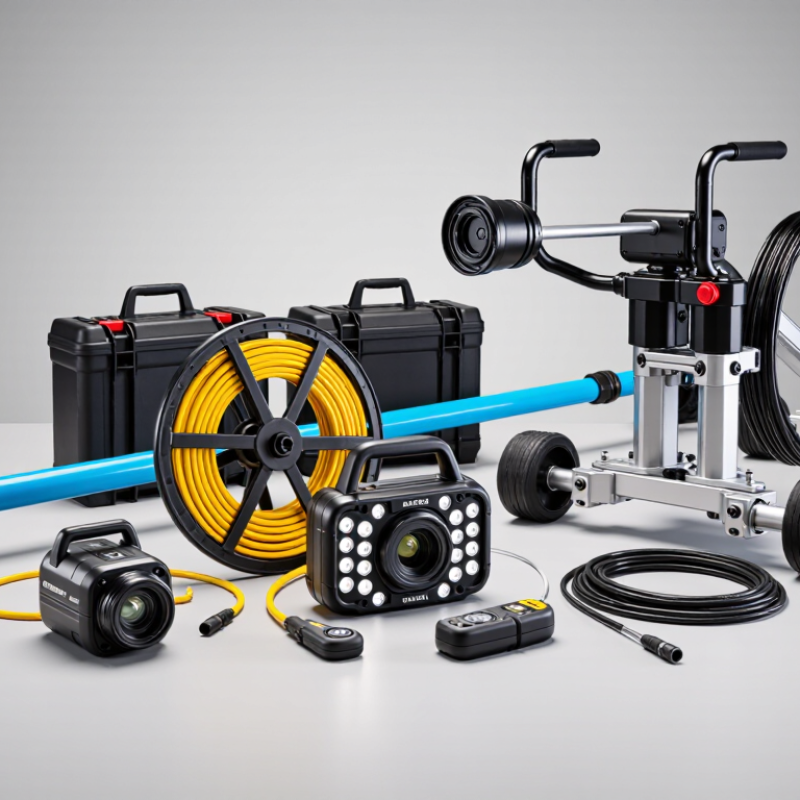
The best sewer inspection camera depends on pipe diameter, reach, and reporting needs. Small push cameras suit residential lines between 50 and 100 millimeters wide. They offer clear views around bends, but their short cables limit deep inspections. Larger pipes may need a self-leveling camera head with stronger lighting. Crawlers provide better stability in wide commercial lines. They also travel farther without forcing the cable.
Reach matters more than many buyers expect. A 30-meter reel can handle a house connection, while municipal work may require 90 meters or more. Check cable stiffness, camera diameter, and turning ability together. A long cable is useless if it cannot pass the first tight bend. During field inspections, I have seen operators choose reach over control. That decision often creates poor images and wasted time.
PACP reporting adds another layer. Select equipment that records video, defect locations, pipe direction, clock positions, and structured observations. Exportable reports support maintenance planning and clearer communication with property owners.
Match the camera head to the smallest pipe you inspect regularly. Test the locator before entering the line. Keep the lens clean. Record a short reference clip before documenting defects. PACP codes improve consistency, but operator judgment still matters. Review questionable findings instead of labeling every shadow as damage. Mistakes happen. Clear notes make them easier to correct.
Choosing a sewer inspection camera depends on pipe length, access, and the detail you need. Push cameras with 100–200 ft cables cover most residential lines and many light commercial runs. A 100 ft cable is easier to control in narrow spaces. A 200 ft cable reaches farther, but it can become heavy and difficult to retrieve.
Cable stiffness matters. Too soft, and the camera may stop at bends. Too rigid, and it may damage fragile joints. I prefer a flexible push rod with a firm outer jacket. It should move smoothly through cleanouts without excessive force. A waterproof camera head, bright adjustable LEDs, and a built-in distance counter improve field accuracy. A locating sonde is also valuable when the suspected blockage lies beneath concrete or soil.
1080p imaging shows cracks, root intrusion, separated joints, and standing water more clearly than basic video. However, resolution cannot fix poor lighting or a dirty lens. That detail is easy to overlook. A camera with a self-leveling head keeps the image upright, making reports easier to understand. Recording and clear audio notes also support reliable documentation.
Longer is not always better. A 200 ft system may look impressive, but unused cable can crowd a small work area. Push cameras are usually more practical than powered crawlers for routine inspections. Still, cable friction, pipe diameter, and operator technique affect every result. Even experienced users can misread shadows as structural damage, so suspicious findings deserve a second view.
| Camera Configuration | Cable Length | Image Resolution | Camera Head | Waterproof Rating | Built-In Locator | Recording | Recommended Pipe Diameter | Best Use |
|---|---|---|---|---|---|---|---|---|
| Compact 100 ft Push Camera | 100 ft / 30.5 m | 1080p Full HD | 23 mm, fixed view | IP68 | Optional 512 Hz | Photo and video to SD card | 2–6 in | Residential sinks, showers, and short branch lines |
| Professional 100 ft Push Camera | 100 ft / 30.5 m | 1080p Full HD | 28 mm, self-leveling | IP68 | 512 Hz included | Photo, video, audio, and on-screen text | 3–8 in | General plumbing service and maintenance inspections |
| Mid-Range 150 ft Push Camera | 150 ft / 45.7 m | 1080p Full HD | 28 mm, self-leveling | IP68 | 512 Hz included | 1080p video and still images | 3–10 in | Long residential laterals and small commercial drains |
| Heavy-Duty 150 ft Push Camera | 150 ft / 45.7 m | 1080p Full HD | 40 mm, self-leveling | IP68 | 512 Hz included | Video, audio, snapshots, and job notes | 4–12 in | Main sewer lines and demanding field work |
| Long-Reach 200 ft Push Camera | 200 ft / 61.0 m | 1080p Full HD | 40 mm, self-leveling | IP68 | 512 Hz included | 1080p recording with microphone | 4–12 in | Long sewer laterals, property transfers, and municipal service work |
| Small-Diameter 100 ft Push Camera | 100 ft / 30.5 m | 1080p Full HD | 17 mm, fixed view | IP68 | Optional 512 Hz | Photo and video recording | 1.5–4 in | Small drains, appliance lines, and tight bends |
Specifications shown are representative configurations for push-style sewer inspection cameras. Actual performance may vary with cable stiffness, pipe material, bends, water level, lighting, and recorder design.
For 6–12 inch sewer lines, a reel camera should balance reach, image quality, and control. In field inspections, a flexible push cable helps navigate bends without excessive force. A self-leveling camera head keeps the picture upright, making cracks and offset joints easier to assess. Strong LED lighting matters, especially inside older clay or heavily stained pipes. Choose a system with a durable reel, clear footage, and a waterproof camera head rated for repeated use.
Pan-tilt control adds more value when the pipe has multiple connections or suspicious damage. Operators can inspect lateral openings, service entries, and joint separations without moving the entire reel. A built-in sonde also helps locate the camera beneath concrete, soil, or landscaping. However, no camera handles every bend perfectly. I have seen excellent footage fail because the cable was too stiff for a tight transition. Specifications can look convincing, but practical handling still decides the result.
Tips: Match the camera head to the pipe diameter. Test the sonde and locator before entering the line. Clean the lens often. Record distance markers during inspection. Keep the cable steady near fragile joints. A brighter image is not always better if glare hides surface defects. Check battery condition, connector seals, and footage storage before each job. Small oversights can weaken an otherwise reliable inspection.
What Are the Top Sewer Inspection Cameras to Buy?
A dependable sewer inspection camera should handle wet, dirty, and cramped conditions. Look for IP68 protection, which covers dust resistance and water immersion under specified test conditions. It does not make the camera indestructible. Read the test details.
In practical inspections, self-leveling keeps the image upright as the camera head moves through bends. This makes cracks, displaced joints, and root intrusion easier to recognize. Without self-leveling, operators may waste time rotating the screen mentally. That gets tiring. A strong push cable also matters, especially in long runs with heavy buildup.
Check 512 Hz locator compatibility before buying. A compatible sonde can help technicians trace the camera head beneath floors, paving, or landscaped ground. Confirm the camera’s signal frequency, locator support, and detectable range. Some systems claim compatibility but provide unclear technical information. That deserves caution. Test the locator in an open area before entering a difficult pipe. I would also inspect connector seals, screen brightness, recording quality, and battery condition. A bright display can still hide details when muddy water covers the lens. No camera performs perfectly in every pipe. Ask for service records, test documentation, and realistic warranty terms before choosing.
Check IP68 protection, self-leveling, and 512 Hz locator compatibility before making a purchase.
The waveform represents one real 512 Hz signal cycle: approximately 1.953 milliseconds per cycle. When comparing sewer inspection cameras, confirm all three features in the technical datasheet, especially the exact IP68 immersion conditions and the locator frequencies supported.
The best sewer camera is not always the most expensive one. For inspection accuracy, rank systems with a self-leveling lens, strong lighting, adjustable focus, and a sonde for locating defects underground. A clear image matters. So does stable cable control. The 2022 U.S. EPA Clean Watersheds Needs Survey estimated $630.1 billion in wastewater infrastructure needs over 20 years. That scale makes reliable inspection data more valuable than a flashy screen. Cameras that record distance, slope, and defect notes support NASSCO-style PACP documentation and reduce repeat visits.
Workflow comes next. Choose equipment with fast setup, searchable video, simple file exports, and controls that work beside a muddy access point. A technician should identify roots, fractures, offsets, and standing water without stopping every few seconds. Total cost includes batteries, transport, calibration, repairs, training, and lost labor. A lower purchase price can become expensive after repeated site visits. The ASCE 2021 Infrastructure Report Card rated U.S. wastewater infrastructure C+, reminding buyers that maintenance efficiency cannot be treated as optional.
Tips: Test the camera in a real pipe before buying. Check image quality through bends, not only on a clean sample. Ask for repair pricing and replacement timelines. I would also compare five-year ownership costs. This step is often skipped. That is a mistake. Even experienced crews may overvalue resolution and undervalue workflow reliability.