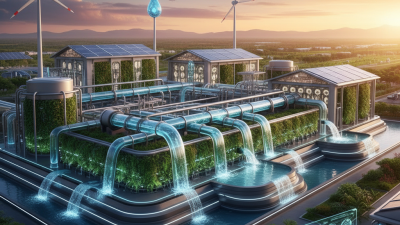
Why Understanding Water Systems is Essential for Sustainable Living
Understanding water systems is crucial for fostering sustainable living practices in today's rapidly changing world. As society faces the pressing challenges of climate change, urbanization, and population growth, water systems play a pivotal role in maintaining ecological balance and ensuring the availability of this invaluable resource. By gaining insight into how water systems function—ranging from natural hydrological cycles to managed water supply infrastructures—we can make informed decisions that promote conservation and responsible usage.
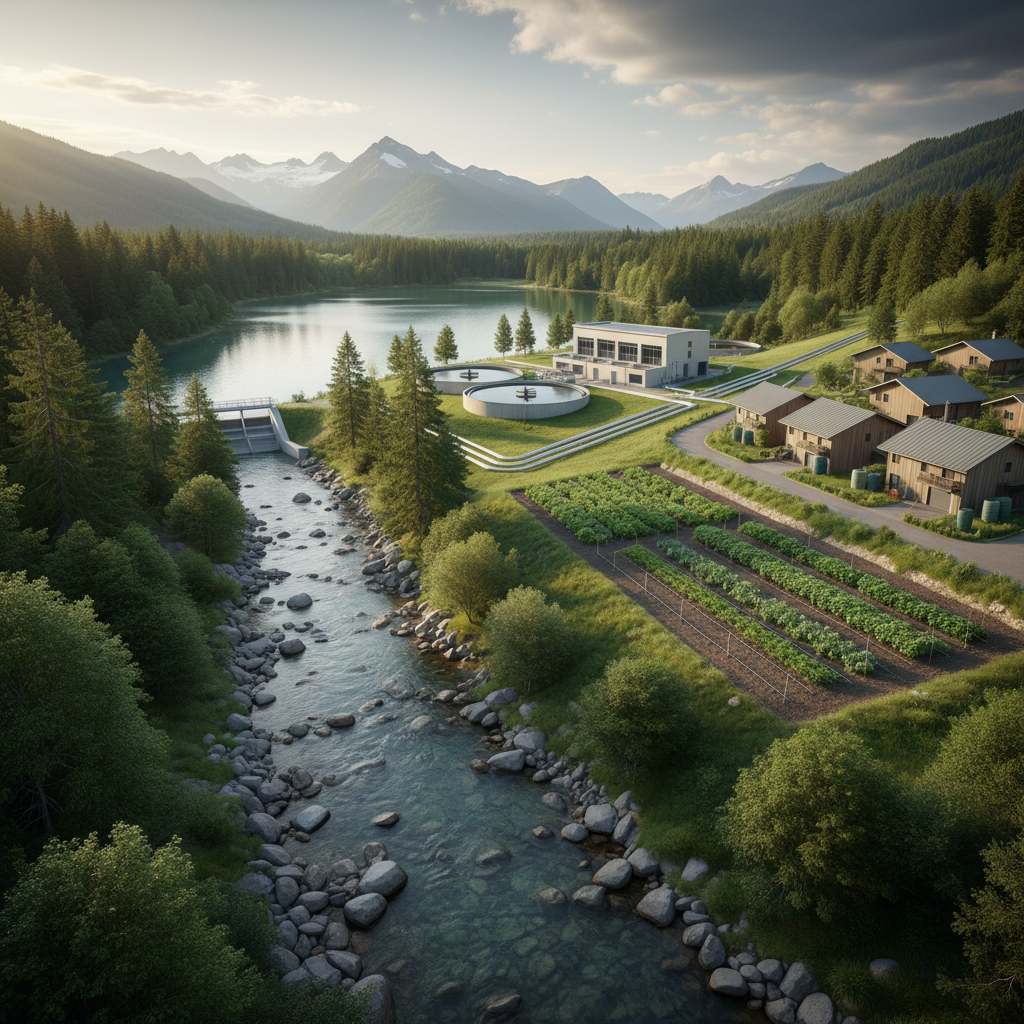
In this context, it is important not only to recognize the significance of water systems but also to explore practical strategies for integrating this knowledge into daily life. From optimizing water consumption to implementing rainwater harvesting techniques, every action contributes to a larger movement towards sustainability. Embracing the principles of water system management allows individuals and communities to safeguard their water resources while nurturing the environment.
Ultimately, understanding the intricacies of water systems empowers us to create a resilient future where both human needs and ecological health are prioritized.
Understanding the Water Cycle: Key Components and Their Roles in Ecosystem Health
Understanding the water cycle is crucial for maintaining ecosystem health and promoting sustainable living. The water cycle consists of several key components: evaporation, condensation, precipitation, and infiltration. Each component plays a vital role in distributing water across various regions, replenishing groundwater supplies, and supporting plant and animal life. When we comprehend how these elements interact, we can better manage water resources and mitigate the effects of climate change.
Tips: To support the water cycle in your own backyard, consider implementing rain gardens that capture and filter rainwater, helping to recharge the groundwater. Additionally, planting native plants can improve soil health and reduce water runoff, as they are adapted to local climate and soil conditions.
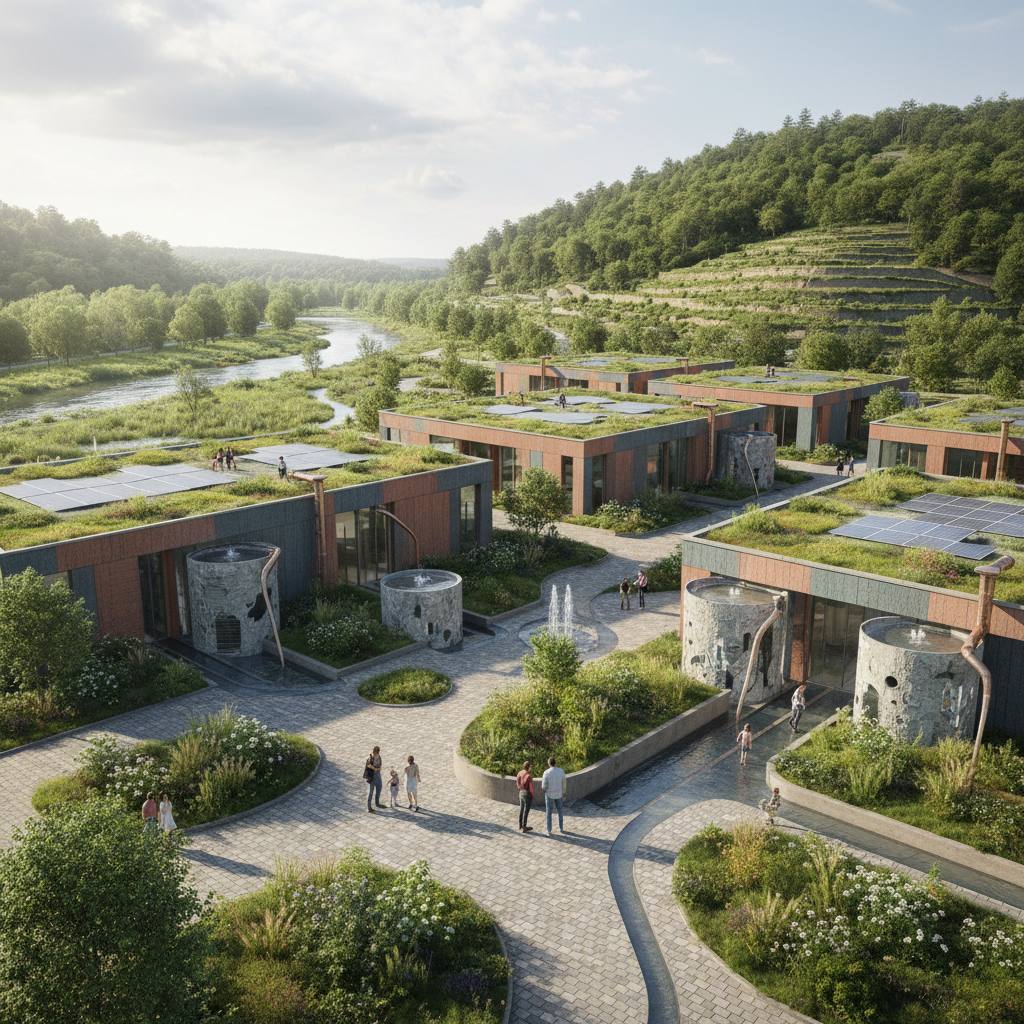
Another essential aspect of the water cycle is its relationship with human activity, which can disrupt its natural processes. Urbanization often leads to increased runoff and decreased infiltration, which may result in flooding and reduced water quality. By promoting sustainable practices such as permeable pavements and green roofs, we can enhance the natural filtration processes and support healthier ecosystems.
Tips: Regularly check your local water systems and participate in community clean-up efforts to keep waterways free of pollutants. Engaging with local environmental initiatives can foster a deeper understanding of water systems and their critical role in our lives.
The Impact of Climate Change on Water Resources: Statistics and Trends
Climate change significantly affects water resources globally, leading to alarming statistics that underscore the urgency of addressing this issue. According to the Intergovernmental Panel on Climate Change (IPCC), by 2050, up to 1.2 billion people may be displaced due to water scarcity exacerbated by climate shifts. This crisis is driven by rising temperatures and altered precipitation patterns, which threaten to disrupt freshwater supply and quality. An analysis from the World Resources Institute indicates that 17 countries—home to one-quarter of the world’s population—already face extremely high water stress.
Furthermore, the National Oceanic and Atmospheric Administration (NOAA) reports that the frequency of heavy rainfall events has increased by 70% in some regions since 1980. This trend leads not only to flooding but also to the contamination of water supplies, which poses health risks and economic challenges. As droughts become more severe and unpredictable, effective water management systems are vital for ensuring sustainable access to this essential resource. Understanding these dynamics is crucial for developing resilient infrastructure and policies that can adapt to the evolving landscape of water availability influenced by climate change.
Water Scarcity and Population Growth: A Global Crisis to Address by 2025
Water scarcity is rapidly emerging as one of the most pressing issues of our time, exacerbated by population growth and climate change. According to the UN, approximately 2.3 billion people live in water-stressed countries, with projections indicating that this number could rise significantly by 2025. This crisis is further amplified by agricultural demands; agriculture accounts for 70% of global freshwater withdrawals, creating a significant strain on limited resources. The impacts of water scarcity are far-reaching, contributing to food insecurity and destabilizing local economies, particularly in developing nations that rely heavily on irrigation for crop production.
Climate change exacerbates these challenges, increasing the frequency and intensity of droughts, which can deplete freshwater sources at alarming rates. The World Wildlife Fund reports that by 2030, global water demand is expected to exceed supply by 40%, leading to severe economic ramifications. With water scarcity projected to cost the global economy trillions of dollars, it is imperative for governments and organizations to implement sustainable water management practices that prioritize conservation and innovative agricultural techniques. Addressing these interconnected challenges is essential for ensuring the long-term resilience of our communities and ecosystems.
Global Water Scarcity and Population Growth by 2025
This chart illustrates the current and projected water use along with population growth by 2025, alongside a water scarcity index. Understanding these metrics is vital for developing strategies towards sustainable water management and living.
The Importance of Water Conservation: Strategies to Reduce Usage in Daily Life
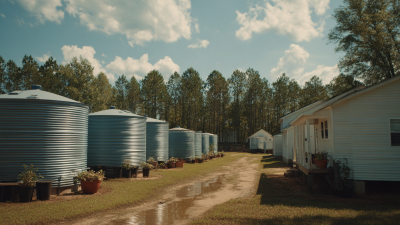
Water is a precious resource, and understanding how to conserve it is essential for sustainable living. In our daily lives, there are numerous strategies we can adopt to reduce water usage without sacrificing comfort or convenience. Simple measures, such as fixing leaks, using water-efficient appliances, and taking shorter showers, can significantly lower water consumption. Additionally, collecting rainwater for gardening and using mulch to retain soil moisture can further enhance our water-saving efforts.
Incorporating mindful habits into our routines can also make a substantial difference. For instance, turning off the tap while brushing teeth or washing hands can save gallons of water each day. Choosing to water gardens early in the morning or late in the evening minimizes evaporation and ensures that plants get the moisture they need without excess waste. By implementing these strategies, we can contribute to a sustainable future while promoting a better understanding of the vital role water systems play in our ecosystems.