Why is the Water System Essential for Our Daily Lives and the Environment

The water system is a fundamental component of both our daily lives and the health of the environment. It encompasses the intricate network of waterways, reservoirs, and treatment facilities that deliver clean water to our homes, support agriculture, and sustain natural ecosystems. Understanding the significance of the water system is crucial, as it underpins numerous aspects of human existence, from drinking and sanitation to food production and recreational activities.

In urban areas, the water system directly impacts public health by providing safe drinking water and efficiently managing wastewater. Additionally, it plays a vital role in environmental conservation, supporting biodiversity and maintaining the balance of local ecosystems. The interdependence between humans and the water system highlights its essential nature, prompting a need for sustainable management practices that protect this valuable resource for future generations. By recognizing the importance of the water system, we can better appreciate its role in our lives and advocate for its preservation and responsible use.

Why is the Water System Essential for Our Daily Lives and the Environment

Importance of the Water System in Daily Life
Why is the Water System Essential for Our Daily Lives and the Environment

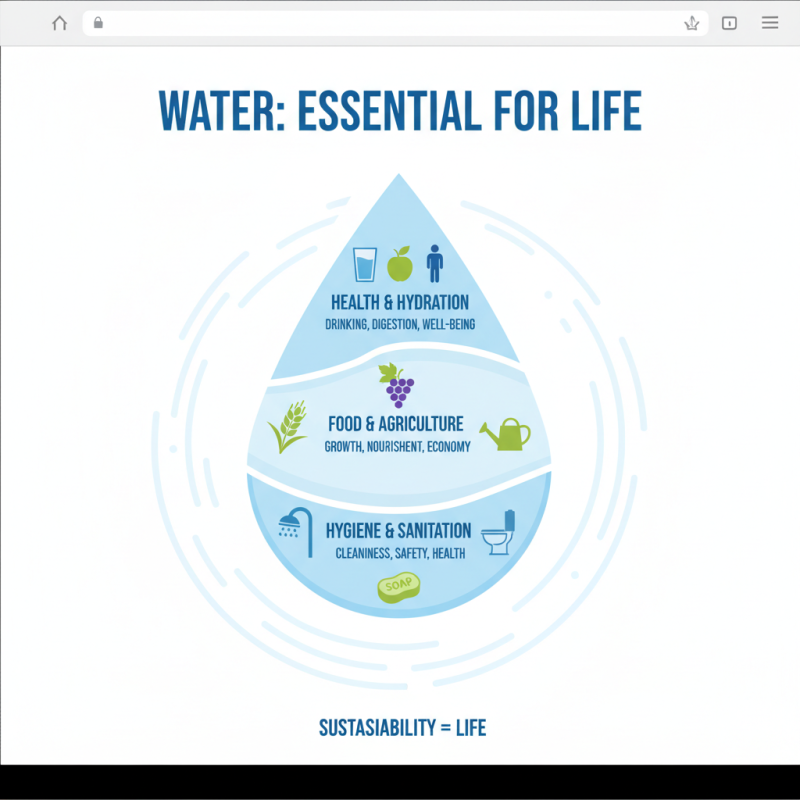
Water is a vital component of our daily lives, playing a crucial role in various activities that sustain our well-being. From drinking and cooking to hygiene and sanitation, access to clean and safe water directly impacts our health. It hydrates our bodies, supports digestion, and enhances overall bodily functions. Beyond personal health, the water system is fundamental for agricultural practices, enabling the growth of crops that feed populations around the world. In this way, water supports not only individual nourishment but also the economic stability of communities.

Moreover, the water system fosters environmental balance, promoting the health of ecosystems. Rivers, lakes, and oceans provide habitats for countless species and maintain biodiversity. The processes of water filtration and natural purification through wetlands ensure that pollutants are removed, supporting clean ecosystems. Additionally, water cycles are essential for weather patterns and climate regulation. The interconnectedness of the water system highlights its paramount significance in maintaining both human life and the integrity of our natural surroundings. Without a reliable water system, our daily existence and the environment we thrive in would face insurmountable challenges.
Role of Water in Human Health and Hygiene

Water is a fundamental component of human health and hygiene, playing a crucial role in various daily activities that directly affect our well-being. Consuming adequate amounts of water helps maintain bodily functions, supports digestion, regulates body temperature, and ensures nutrient absorption. Furthermore, clean water is vital for effective hygiene practices, as it is essential for washing hands, cooking, and personal cleanliness. Poor water quality can lead to the spread of waterborne diseases, making access to safe drinking water and sanitation services critical for public health.

Tips for maintaining good hygiene through water usage include always washing your hands with soap and clean water, especially before eating or after using the restroom. It's also important to ensure that the water you consume is safe; consider using filtration systems or boiling water if you're unsure of its quality. Moreover, during seasonal changes or outbreaks of illness, paying extra attention to hygiene practices can mitigate health risks and protect both individuals and communities.

In addition to personal health, the responsible use of water impacts our environment. Conserving water helps preserve local ecosystems and reduces the energy required for water treatment processes, further contributing to a healthy planet. Individuals can adopt water-saving techniques, such as shorter showers and fixing leaks, which not only support hygiene but also promote environmental sustainability.

Water Consumption and Human Health

This chart illustrates the average daily water consumption in liters per person based on different activities. Understanding these figures highlights the essential role of water in maintaining human health and hygiene.

Impact of Water on Agriculture and Food Production

Water plays a crucial role in agriculture and food production, serving as a vital resource for growing crops and raising livestock. The availability of fresh water directly influences the yield and quality of agricultural products. Irrigation systems are designed to ensure that crops receive the necessary moisture, particularly in regions where rainfall is insufficient. Without adequate water supply, farmers face challenges such as reduced crop growth, lower productivity, and increased vulnerability to pests and diseases, which can threaten food security.

Moreover, the impact of water extends beyond mere crop cultivation. It is essential for various phases of food production, from washing and processing to preservation and transportation. Water quality is also paramount; contaminated water can lead to foodborne illnesses and negatively affect both public health and the agricultural economy. Sustainable water management practices are therefore imperative, as they not only support efficient farming methods but also help preserve the surrounding ecosystems. Overall, the interdependence of water and food production underscores the importance of safeguarding our water resources to ensure a stable and secure food supply for the future.

Water's Influence on Ecosystems and Biodiversity

Why is the Water System Essential for Our Daily Lives and the Environment

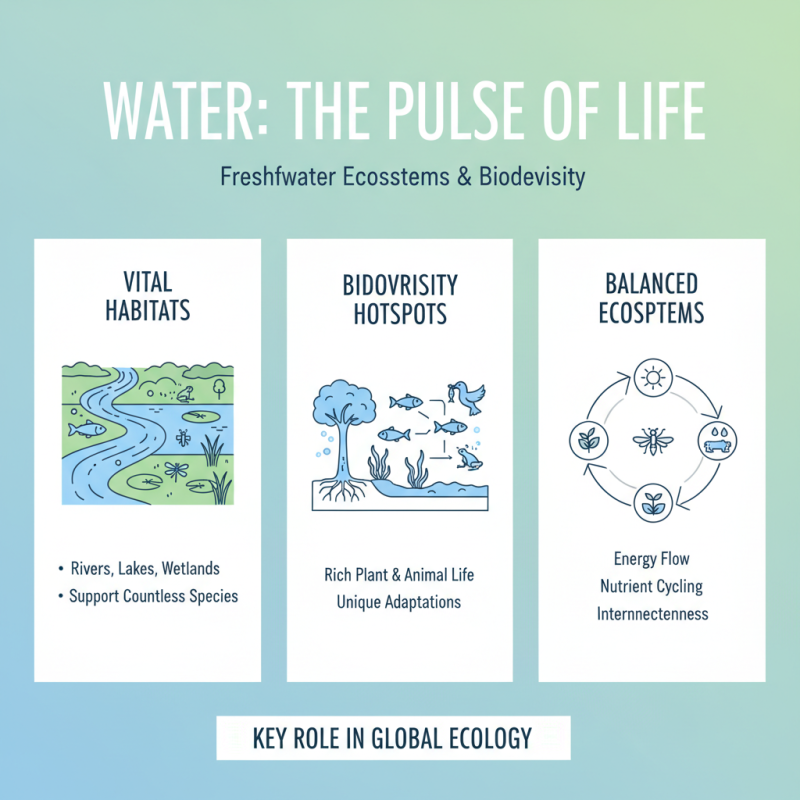
Water plays a fundamental role in shaping ecosystems and maintaining biodiversity. Freshwater systems, such as rivers, lakes, and wetlands, serve as vital habitats for countless species, providing them with the necessary resources for survival. These aquatic environments are home to a rich variety of plant and animal life, each uniquely adapted to thrive in their specific conditions. The intricate relationships among these organisms create a balanced ecosystem where energy flows and nutrients cycle efficiently.

Moreover, water's influence extends beyond mere habitat provision; it also supports ecological processes that enhance biodiversity. For example, wetlands act as natural filtration systems, improving water quality while simultaneously providing breeding grounds for various wildlife. They support migratory bird populations and sustain fish species that are crucial for both the food web and human economies. Healthy water systems not only foster resilience in local ecosystems but also help mitigate the impacts of climate change by regulating temperature and supporting carbon storage. Thus, the conservation of water resources is essential for safeguarding the delicate balance of our planet's biodiversity.

Challenges Facing Global Water Systems Today

The global water system is facing numerous challenges that threaten its sustainability and efficiency. One significant issue is the increasing demand for freshwater due to population growth and urbanization.

As cities expand, the strain on existing water supplies intensifies, leading to over-extraction from rivers and aquifers. This not only depletes essential resources but also disrupts local ecosystems, causing adverse effects on biodiversity.

Another pressing challenge is climate change, which contributes to the variability of water availability through altered precipitation patterns and extreme weather events.

Regions that were once abundant in water may experience severe droughts, while others could be plagued by flooding, leading to infrastructure damage and contamination of water supplies.

Furthermore, pollution from industrial and agricultural practices exacerbates the problem, compromising water quality and making it increasingly difficult to provide safe drinking water. These challenges necessitate urgent action and innovative solutions to ensure that water systems can continue to support human life and the environment.

Skip to content