
Why Is an Oil Separator Important for Global Buyers?

For global buyers, an Oil Separator is not merely another component on a procurement list. It helps remove oil droplets from compressed air, refrigeration circuits, or industrial gas systems, depending on its design. Cleaner separation can protect downstream valves, filters, heat exchangers, and sensitive production equipment. That matters when a shipment travels thousands of miles before installation.

Small details often decide performance. A buyer should check flow rate, operating pressure, temperature range, oil type, connection size, and drainage method. These specifications must match the actual system, not a general catalog description. A separator rated for 10 bar may fail operationally when temperature, pulsation, or contamination changes. The label alone is not enough.

Ask for test data.

Experienced maintenance teams also inspect pressure drop, service intervals, replacement parts, and installation direction. They compare technical drawings with the available plant space. This prevents a familiar problem: the unit arrives, but its drain outlet faces an inaccessible wall. Supplier reliability deserves equal attention. Clear manuals, traceable materials, responsive engineering support, and consistent quality records are useful indicators. Independent certifications can help, but buyers should verify their scope and validity.

Still, an Oil Separator is not magic. It cannot correct poor piping, excessive oil carryover, or an unsuitable compressor lubricant. Some purchasing decisions focus too heavily on price, and that approach can become expensive after repeated cleaning and downtime. The right choice depends on verified operating data, credible documentation, and realistic maintenance planning. Global buyers should remain practical, curious, and willing to question assumptions before approving an order.
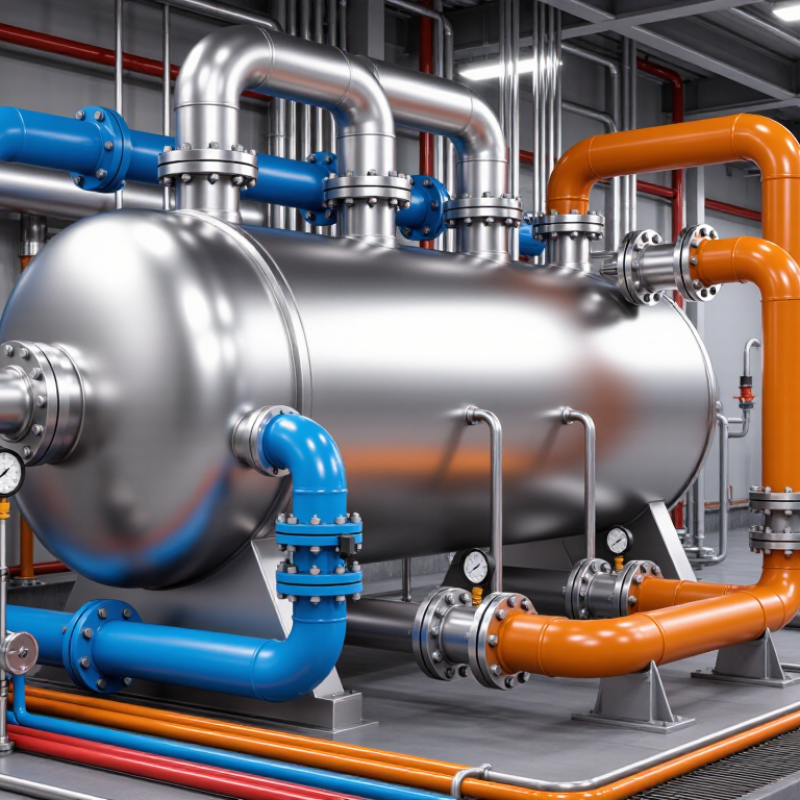
Why Is an Oil Separator Important for Global Buyers?

What Is an Oil Separator?

An oil separator is a treatment device that removes free oil from wastewater before discharge or reuse. It usually works through gravity, coalescing plates, or both. Oil droplets rise because oil is lighter than water, while heavier solids settle at the bottom. The separated oil collects in a chamber for controlled removal.

It is not a complete purification system. Emulsified oil, detergents, and very small droplets may pass through a basic unit. Flow rate, oil density, water temperature, and inlet concentration all affect performance. Small errors matter. During practical site inspections, operators often find that an undersized separator receives sudden surges from washing areas or workshops. The outlet then appears clear for a short time but fails during peak flow.

Global buyers should confirm the daily flow and maximum hourly flow, not only the average figure. They should also request drawings, material specifications, access dimensions, cleaning instructions, and verified test results. Local discharge requirements may differ, so supplier claims should be checked against the destination country’s rules. Maintenance access is easy to overlook. A narrow opening can make sludge removal slow and unsafe. In cold regions, insulation or heating may require attention. A catalog model may look suitable, yet site conditions can expose its limits.

How Does an Oil Separator Work?

How Does an Oil Separator Work?

An oil separator works by slowing contaminated air or liquid, allowing oil to separate from the carrier stream. In compressed-air systems, an inlet changes the flow direction. Heavier oil droplets lose momentum and fall into a collection chamber. Smaller droplets pass through a coalescing filter and combine into larger droplets. Gravity then pulls them downward.

A drain removes collected oil at measured intervals. Some systems use automatic drainage, while others require manual inspection. In wastewater equipment, baffles and chambers give oil time to float. Cleaner water leaves below the surface through an outlet. The separator cannot remove every contaminant. Its performance depends on flow rate, temperature, viscosity, and filter condition.

From practical maintenance experience, pressure readings often reveal problems before visible leakage appears. A rising pressure drop may indicate a blocked filter. Oily discharge can suggest poor sizing, a damaged seal, or careless draining. Global buyers should check rated capacity, service temperature, drainage design, replacement parts, and technical documents. Local disposal rules also matter because collected oil requires controlled handling. Choosing a separator only by pipe size may lead to disappointing results. That mistake is common. Installation space, startup conditions, and uneven loading also deserve attention. Testing outlet quality during commissioning offers stronger evidence than relying only on specifications.

Which Industries Use Oil Separators?

Why Is an Oil Separator Important for Global Buyers?

Which Industries Use Oil Separators?

Oil separators serve industries where water, air, or production materials may carry unwanted oil. Automotive workshops use them near vehicle washing bays and maintenance areas. Small leaks can spread across concrete floors quickly. A properly sized separator captures free oil before wastewater reaches drainage systems.

Metalworking plants also depend on oil separators. Cutting fluids and Hydraulic Oils can enter factory wastewater during cleaning. Mining operations face similar risks from heavy equipment, fuel storage, and rainwater runoff. In ports and shipyards, separators protect drainage channels near loading zones, repair areas, and machinery platforms. These sites often need robust units because flow rates change sharply during storms.

Food processing facilities use separators for fats, oils, and grease. Their systems require careful temperature and cleaning considerations. Power stations, construction sites, and wastewater treatment plants may also need them. Each application is different. A separator designed for a garage may fail in a high-flow industrial setting.

Global buyers should check oil type, flow rate, temperature, installation space, and maintenance access. Practical inspections often find blocked coalescing media or undersized tanks. That detail is easy to overlook. Regular sludge removal and oil collection keep performance stable. Local discharge rules also influence design, so one specification cannot suit every country. Some buyers focus only on purchase price, but service access can affect long-term operating costs more.

Why Is an Oil Separator Important for Global Buyers? - Which Industries Use Oil Separators?
Industry Typical Wastewater Source Common Oil or Hydrocarbon Type Recommended Separation Approach Typical Performance Focus Why Global Buyers Specify Oil Separators
Oil and Gas Production Produced water, tank farms, loading areas, equipment washdown, and process drainage Crude oil, condensate, diesel, lubricants, and dispersed hydrocarbons API-type gravity separator CPI plate separator Coalescing stage Removal of free oil and suspended solids before biological treatment, membrane treatment, reuse, or discharge Reduces oil loading on downstream equipment and supports compliance with site-specific discharge and reuse requirements
Automotive Manufacturing and Service Vehicle washing, workshops, service bays, parking areas, and metalworking operations Engine oil, hydraulic fluid, transmission fluid, diesel, gasoline, and grease Class I coalescing separator Silt chamber Alarm system Capture of free oil and sediment from intermittent flows and stormwater runoff Protects drainage networks and reduces the risk of oil entering soil, surface water, or municipal sewers
Metalworking and Machinery Cutting-fluid recycling, parts washing, floor cleaning, and machine-tool drainage Metalworking oils, soluble oils, hydraulic oils, and lubricants Coalescing separator Dissolved-air flotation Ultrafiltration for stable emulsions Separation of free oil before treatment of emulsified fluids and fine metal solids Extends coolant life, lowers treatment costs, and prevents oily wastewater from interfering with downstream processes
Marine and Shipbuilding Engine-room bilge water, machinery spaces, dry docks, shipyards, and vessel maintenance areas Marine diesel, fuel oil, lubricating oil, and hydraulic oil Marine oily-water separator Coalescing filter 15 ppm monitor where applicable Separation and monitoring of oil in bilge water before permitted discharge Supports international maritime requirements; discharge from machinery spaces is commonly subject to a 15 mg/L oil-content limit under applicable MARPOL rules
Airports and Aviation Maintenance Aircraft maintenance hangars, de-icing areas, fuel handling zones, and vehicle parking areas Jet fuel, aviation gasoline, hydraulic fluid, lubricants, and de-icing mixtures Heavy-duty coalescing separator Sediment removal Containment system Control of free hydrocarbons during rainfall, washdown, spills, and maintenance activities Helps manage high-risk runoff and provides additional protection for drainage systems and nearby water bodies
Power Generation Transformer yards, turbine halls, fuel storage areas, maintenance workshops, and equipment drainage Transformer oil, diesel, lubricating oil, and hydraulic fluid Gravity separator Coalescing separator Emergency containment Removal of free oil from routine drainage and rapid containment during accidental releases Reduces environmental risk around critical infrastructure and supports spill-control planning
Mining and Mineral Processing Mobile-equipment wash bays, haul roads, workshops, fuel stations, and maintenance areas Diesel, hydraulic oil, engine oil, grease, and process hydrocarbons Large-volume gravity separator Lamella or CPI unit Pre-sedimentation Handling of high solids loads together with free oil and hydrocarbons Improves robustness in remote locations and reduces fouling by separating grit and sediment before fine treatment
Food Processing and Rendering Equipment cleaning, loading docks, kitchens, slaughter areas, and process-floor drainage Animal fats, vegetable oils, cooking oils, grease, and suspended food solids Grease separator Dissolved-air flotation Solids screening Removal of fats, oils, grease, and suspended solids; heated or insulated systems may be required Prevents sewer blockages, reduces organic loading, and improves wastewater-treatment stability
Chemical and Petrochemical Manufacturing Process drainage, tank farms, loading stations, laboratories, and equipment cleaning Process oils, solvents, fuels, lubricants, and chemically contaminated hydrocarbons API or CPI separator Chemical conditioning DAF or membrane polishing Removal of free-phase hydrocarbons before biological, chemical, or advanced polishing treatment Provides process protection and helps manage variable wastewater composition and shock loads
Commercial Parking and Urban Infrastructure Road runoff, parking areas, service stations, logistics yards, and underground garages Fuel, engine oil, tire residues, lubricants, and road sediment Class I light-liquid separator Sediment trap Automatic shut-off where required Removal of free light liquids from stormwater and washdown flows Supports local drainage requirements and protects public sewers and receiving waters from hydrocarbon pollution
Note: Actual separator performance depends on flow rate, oil density, droplet size, temperature, solids concentration, emulsification, retention time, and local discharge limits. Gravity separators are most effective for free oil; stable emulsions generally require additional chemical, flotation, or membrane treatment.

Why Are Oil Separators Important for Global Buyers?

Oil separators are important for global buyers because they protect compressed-air quality, equipment performance, and operating costs. In an oil-injected compressor, the separator removes oil from the air-oil mixture before clean air enters the distribution system. Without effective separation, oil carryover can reach dryers, valves, packaging lines, and sensitive instruments. Small droplets may leave stains, create unpleasant odors, or damage products during production.

Field maintenance teams often notice warning signs early. A rising oil level in downstream filters, unusual pressure loss, or frequent compressor refilling can indicate poor separation. The right separator should match the compressor model, airflow, working pressure, temperature, and oil type. Buyers should also check filtration efficiency, pressure-drop data, service life, material quality, and installation instructions. Documentation matters across borders. Clear test records and technical specifications help purchasing teams compare suppliers with fewer assumptions.

A low purchase price can look attractive. It may be a false saving. A separator with excessive pressure drop can increase energy consumption every hour. An undersized part may shorten its own service life. Even experienced buyers can overlook local climate, unstable operating loads, or maintenance habits. Asking for verified performance data is wiser than relying on appearance alone. Sometimes, the most expensive mistake is not the part itself, but the downtime caused by choosing it too quickly.

How Should Global Buyers Choose an Oil Separator?

Choosing an oil separator requires more than comparing catalog prices. Global buyers should begin with the operating conditions. Record the fluid type, temperature, pressure, flow rate, and expected oil concentration. A separator designed for light hydraulic oil may perform poorly with heavy machining fluids. Measure twice.

I have seen purchasing teams select equipment by connection size alone. That shortcut caused pressure loss and frequent cleaning. Check the separation method, internal materials, drainage design, and rated capacity. The unit should handle peak flow, not only the average flow. Ask for test data under conditions close to your application. Clear efficiency figures are more useful than broad performance claims. Leave some capacity for seasonal changes or future production growth.

Maintenance also affects the real purchase cost. Look for accessible inspection covers, replaceable parts, simple oil discharge, and clear service instructions. Confirm electrical requirements, packaging protection, delivery documents, and technical support for your destination. Certifications should match the installation environment and local import requirements. Do not ignore language barriers. A translated manual can prevent an expensive mistake. However, specifications on paper are never the entire story. Request drawings, sample reports, and references from similar applications. Then compare energy use, cleaning time, service life, and shipping costs together. A cheaper separator may become costly after several months. Recheck the assumptions before signing.

Article Source:

Skip to content