What is Wildfire Water Solutions and How Do They Work?
Wildfire water solutions represent a critical innovation in managing wildfire risks. These approaches utilize advanced technology to create effective methods for combating wildfires. The basic idea is to deliver water efficiently to areas most threatened by fire. This method not only protects resources but also saves lives.
These solutions involve various techniques, such as aerial spraying and local water supply management. By deploying these methods, communities can enhance their defense against flames. However, the effectiveness of wildfire water solutions often hinges on proper planning and timely execution. Without these, even the best technologies can fall short.
The discussion around wildfire water solutions highlights essential areas for improvement. Effectiveness varies significantly based on geography and climate. Continuous evaluation and adaptation are necessary. As wildfires increase, the urgency to refine these techniques grows. Communities must reflect on their strategies to ensure safety and resource sustainability.
What is Wildfire Water Solutions?
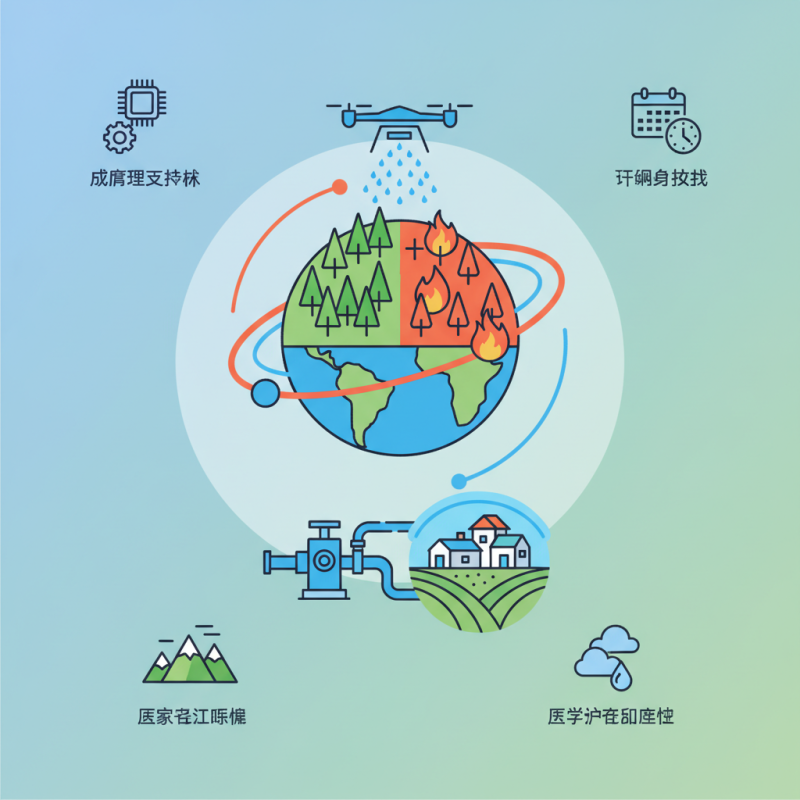
Wildfire Water Solutions aim to combat the devastation caused by wildfires. These systems utilize innovative technology to deliver water efficiently to affected areas. By assessing terrain and fire behavior, they adapt their approach to maximize effectiveness. The goal is not just to extinguish flames, but to protect communities and ecosystems.
One key aspect is their real-time response capability. When a wildfire ignites, every second counts. Engaging these systems quickly can mean the difference between containment and massive destruction. Understanding local geography plays a crucial role in their success. In some cases, limited access may pose a challenge that requires creative solutions.
Tips for effective wildfire management include regular training for emergency responders. Practicing with various tools and systems is essential. Communities also need to stay informed about local fire risks. Building awareness can empower residents to act swiftly during emergencies. Engaging with local authorities during training can strengthen preparedness.
It’s important to reflect on the unpredictability of wildfires. Even with advanced systems in place, nature can be unpredictable. Consistent evaluation of strategies is necessary to improve outcomes. Wildfire Water Solutions are just one part of a larger ecosystem of fire management.
Wildfire Water Solutions Effectiveness Over Time
This chart illustrates the increase in effectiveness of Wildfire Water Solutions in reducing wildfire incidents over a period of five years. The data reflects the number of wildfire incidents reported versus the implementation of water-saving technologies.
The Importance of Wildfire Water Solutions in Fire Management
Wildfire Water Solutions play a crucial role in fire management. These systems involve techniques and technologies that help deliver water more effectively during wildfires. Understanding their importance is essential, especially given that wildfires have been increasing in frequency. In 2020, the U.S. saw over 58,000 wildfires, burning approximately 10.1 million acres, according to data from the National Interagency Fire Center.
Effective water solutions can make the difference between containment and disaster. They ensure rapid deployment of water to high-risk areas. In 2021, a report highlighted that improved water application strategies reduced fire spread by 30%. Communities that implement robust Wildfire Water Solutions not only protect property but also help preserve habitats. However, there are limitations. Infrastructure challenges, like remote access to water sources, can hinder effectiveness in certain areas.
Tips: Consider collaborating with local authorities to assess water availability. Regular maintenance of water delivery systems can prevent delays during critical moments. Stay updated with the latest data and technology in fire management; it can save lives. Wildfire management requires constant adaptation and learning. Enhancing water solutions should be part of a broader strategy, focusing on community readiness.
How Wildfire Water Solutions Function: Key Technologies Explained
Wildfire Water Solutions employ innovative technologies to combat wildfires effectively. These systems often include aerial tankers and ground-based delivery systems. For instance, aerial units can rapidly disperse water or retardants over large areas. They use specialized equipment to ensure precise targeting. This is crucial when fires spread quickly and unpredictably.
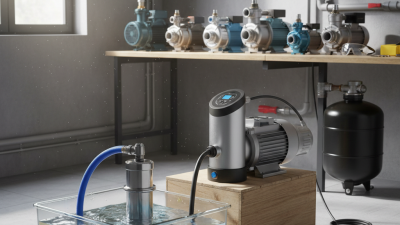
Ground systems may utilize portable pumps that draw from nearby water sources. These pumps can deliver water swiftly to hot spots. The versatility of these systems allows responders to adapt to different terrains and conditions. However, challenges exist in maintaining efficiency under pressure. Equipment may malfunction, or access points can be limited. Firefighters must also strategize water usage to avoid depleting local resources.
Another important technology is data analytics. It assesses fire behavior and environmental conditions. This information is vital for decision-making. Yet, reliance on technology can lead to gaps in human assessment. Local knowledge often complements these systems. Combining both can yield better outcomes. Continuous learning and adaptation are essential to improve effectiveness.
Applications and Benefits of Wildfire Water Solutions in Different Scenarios
Wildfire Water Solutions are innovative tools designed to combat wildfires. Their usage varies across different scenarios, showcasing unique applications and benefits. For example, in remote areas, these solutions can be deployed quickly. They supply water for firefighting in regions hard to reach by traditional means.
In urban environments, Wildfire Water Solutions help create buffers against fire spread. They can be integrated into landscaping or used in community defense systems. This integration allows quicker responses and potentially reduces damage to properties. Moreover, in agricultural settings, these solutions can protect crops from wildfires. They not only preserve food sources but also protect livelihoods.
Despite their benefits, challenges remain. Effectiveness can vary based on local conditions and fire behavior. Accessibility issues may limit their use in some areas. Additionally, reliance on these solutions can sometimes lead to complacency. It's crucial to reflect on these limitations. Preparedness must still remain a priority in wildfire-prone regions.
What is Wildfire Water Solutions and How Do They Work? - Applications and Benefits of Wildfire Water Solutions in Different Scenarios
| Application |
Benefits |
Scenario |
Effectiveness |
| Forest Fire Suppression |
Reduces fire spread |
Rural Forest Areas |
High |
| Firebreak Creation |
Prevents fire from reaching critical areas |
Wildland-Urban Interfaces |
Moderate |
| Emergency Water Supply |
Immediate support for firefighting efforts |
Urban Areas during Fire Events |
High |
| Controlled Burns |
Reduction of fuel load |
Controlled Forest Areas |
High |
| Wildlife Protection |
Safeguards habitats |
National Parks |
Moderate |
Future Developments and Research in Wildfire Water Management Techniques
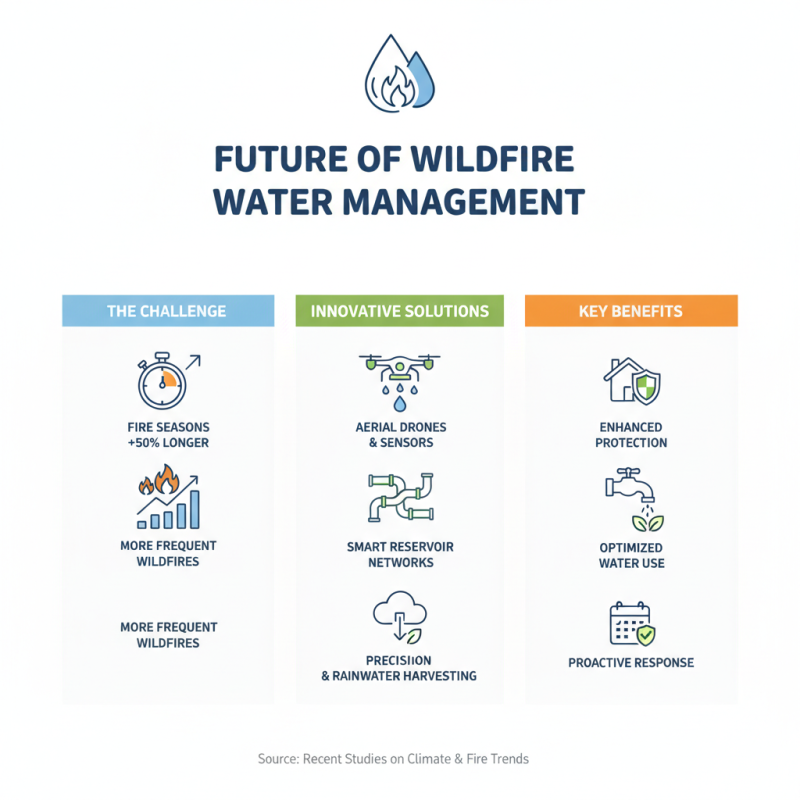
Future developments in wildfire water management are gaining traction. As wildfires become more frequent, innovative solutions are essential. Recent studies indicate that fire seasons are lasting 50% longer compared to previous decades. This alarming trend calls for enhanced water management techniques.
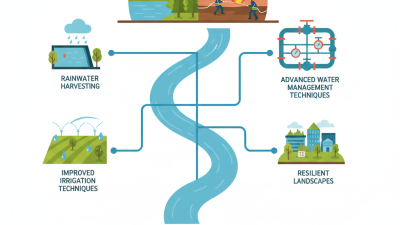
Researchers are exploring advanced water retention systems. These systems can capture and store rainwater effectively. They can provide immediate resources during critical fire events. A study from the National Academies of Sciences shows that improved water strategies could reduce wildfire spread by 30%. However, challenges remain. Many systems are costly to implement and maintain.
Technological advancements are also in the spotlight. For instance, drone technology is being tested for real-time water deployment. Yet, many drones face limitations in flight duration and payload capacity. Water management still lacks the scalability needed for widespread use. It's a complex field with many moving parts. The road ahead requires collaboration among engineers, policymakers, and researchers to drive sustainable solutions.