10 Best Wildfire Water Solutions for Effective Fire Management?
Wildfires pose a significant threat to ecosystems, property, and lives. Combatting these fierce blazes requires innovative strategies. Among these strategies, wildfire water solutions stand out as essential tools. These methods can enhance fire management effectiveness and reduce damage from wildfires.
Water remains a primary defense against fires. However, how we use it can make a difference. Modern wildfire water solutions include advanced aerial applications and specialized fire retardants. These approaches are designed to improve effectiveness and efficiency in fire suppression. Each solution has its strengths and weaknesses, which require careful consideration.
Implementing these solutions is not always straightforward. Local geography, weather conditions, and resource availability can affect their effectiveness. Moreover, the ecological impact of some solutions calls for further reflection. By understanding these complexities, we can better utilize wildfire water solutions to protect communities and natural landscapes. We must continuously evaluate our methods to ensure they serve their intended purpose.
Overview of Wildfire Water Solutions in Fire Management
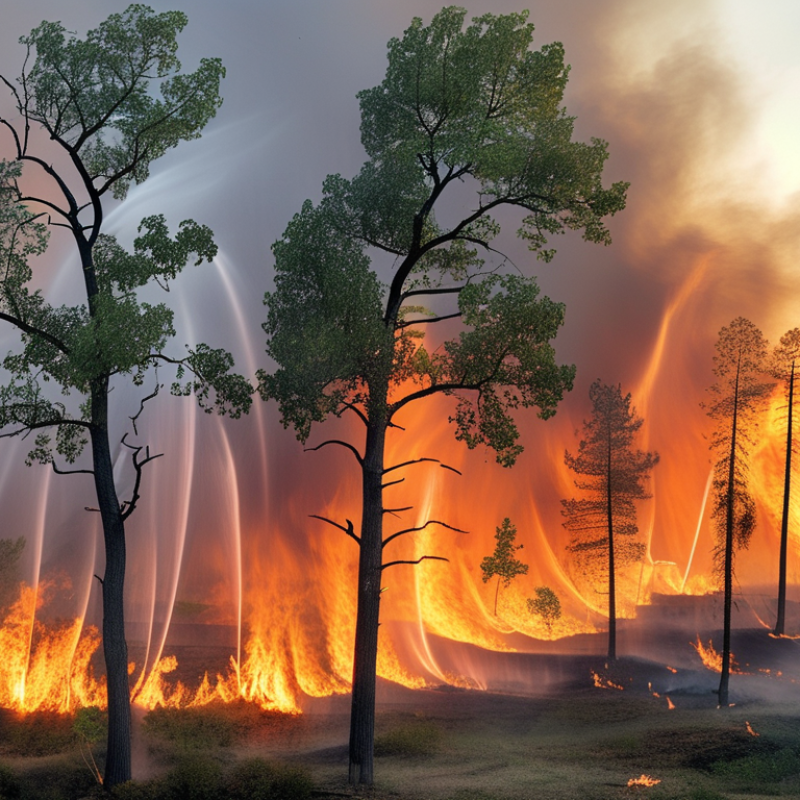
Wildfires pose a significant threat to ecosystems and communities. Effective fire management relies heavily on innovative water solutions. One common method is aerial water drops, where helicopters or planes release large quantities of water over affected areas. These aerial efforts can quickly cool hotspots, though they may not always reach the ground effectively. Proper coordination is crucial for achieving the desired impact.
Another solution includes portable water tanks, which can be set up in remote locations. These tanks allow firefighters to access water sources without extensive travel. However, ensuring a consistent water supply remains a challenge, especially in drought-prone areas. Using natural water bodies as sources, while beneficial, raises concerns about ecological balance and contamination.
On the technological front, pumps and hoses enhance ground-level fire fighting. With trained personnel, these systems can apply water directly where needed. Yet, these approaches often rely on both the availability of manpower and equipment. Without adequate preparation, any unexpected changes during firefighting efforts can lead to inadequate responses. Balancing efficiency with environmental impact requires ongoing analysis and adjustment in wildfire management practices.
Importance of Effective Water Sources for Wildfire Control
Effective water sources play a crucial role in wildfire control. Wildfires can spread rapidly, worsening with continued dry conditions. Access to reliable water is necessary for firefighters. Water helps create fire breaks and cools down hotspots. Without adequate water supply, containment efforts become nearly impossible.
Different water sources can be utilized in firefighting strategies. Natural bodies like rivers and lakes provide vast amounts of water. However, transporting this water can pose challenges. Temporary storage tanks can alleviate some logistical issues. Firefighters often rely on tankers for quick access. These methods are essential, but their effectiveness varies depending on location.
Additionally, not all water sources are suitable. Contaminated water can hinder firefighting efforts. Firefighters may face delays while filtering water.
In some cases, firefighting units might need to prioritize swift action over source quality. This presents a dilemma: immediate action versus possible contamination. A balance must be struck to ensure safety and effectiveness. The importance of effective water sources in wildfire management cannot be underestimated. They are integral to protecting lives and property.
Types of Water Delivery Systems Used in Firefighting
Water delivery systems are crucial for effective firefighting. They ensure that firefighters can quickly access water during emergencies. Various systems exist, each with distinct advantages and challenges. For instance, portable tanks allow for swift water storage but can be challenging to transport to remote locations. In contrast, fixed pipeline systems provide a steady water supply. However, their installation can be costly and time-consuming.
According to the National Fire Protection Association (NFPA), about 75% of firefighting operations rely on water. This data highlights the need for efficient water delivery solutions. Some systems have a higher rate of success in certain environments. For example, aerial water delivery can cover large areas but may not be effective in dense forests. The ground conditions play a significant role in determining the most effective system.
Firefighting agencies often face challenges with reliability in water supply. During wildfires, pressure can drop unexpectedly. This issue raises questions about the preparedness of local systems. Emergency services must regularly test and maintain their delivery mechanisms. They need to adapt to evolving fire conditions and anticipate high-demand periods. Continuous improvement in training and infrastructure is vital for future firefighting success.
Innovative Technologies for Water Enhancement in Fire Suppression
Wildfires pose a significant threat to ecosystems and communities. Innovative technologies are crucial for improving water solutions in fire suppression. For instance,
drones equipped with thermal imaging can identify hotspots. These drones help fire management teams understand where water is most needed. Water delivery systems can be optimized using real-time data from these aerial assessments.
Another promising method involves the use of gel-based water enhancements. These gels can stick to surfaces better than water alone, creating a protective barrier against flames and reducing evaporation. However, the effectiveness of these gels can vary based on environmental conditions. More research is needed to evaluate long-term impacts on soil and vegetation.
Some technologies still lack reliability in field tests. This highlights the need for continuous improvement and feedback from fire management professionals. Collaboration between tech developers and firefighting teams can ensure solutions are practical and efficient. By addressing these concerns, we can develop better strategies to combat wildfires effectively.
Evaluating the Effectiveness of Water Solutions in Wildfire Scenarios
Wildfires pose significant threats to ecosystems and communities. Effective water management plays a crucial role in mitigating these disasters. Various water solutions can enhance firefighting efforts. Each solution has its strengths and limitations. For instance, aerial water drops can cover vast areas quickly. However, they may not reach the fire's base, limiting their effectiveness. Ground-based water systems offer precision but can suffer from accessibility issues.
In many scenarios, the types of water used can influence the outcome. Freshwater is often ideal, but it can be scarce. Alternatives like treated wastewater are emerging. These methods can be efficient but raise questions about environmental impact. Local conditions vary widely. What works in one region may falter in another. Understanding these nuances is essential.
Training and preparation are key components in improving firefighting efficacy. Personnel need to know how to deploy water solutions properly. Mistakes in timing or technique can negate advantages. Continuous evaluation and adaptation must guide wildfire management strategies. By reflecting on past experiences, better approaches can emerge, ultimately saving lives and resources.
10 Best Wildfire Water Solutions for Effective Fire Management
| Solution Name |
Effectiveness Rating |
Deployment Time |
Coverage Area |
Water Source Type |
| Aerial Water Drops |
9/10 |
Immediate |
Large |
Reservoirs, Lakes |
| Fire Hoses |
8/10 |
Quick |
Medium |
Pumps, Hydrants |
| Portable Water Tanks |
7/10 |
Moderate |
Small |
Water Trucks |
| Drones with Water |
8.5/10 |
Fast |
Small to Medium |
Ground Reservoirs |
| Fixed Water Sources |
9.5/10 |
N/A |
Large |
Natural Bodies |
| Sprinkler Systems |
8/10 |
Slow |
Medium to Large |
Piped Water |
| Water Bladders |
7.5/10 |
Moderate |
Small |
Trucks, Fire Stations |
| Water Cannons |
8.8/10 |
Fast |
Large |
Ponds, Tanks |
| Fire Tanks |
9/10 |
Quick |
Medium |
Fire Trucks, Ground |
| Hydrants |
8.2/10 |
Immediate |
Medium |
City Water Supply |