Top Wildfire Water Solutions for Global Buyers?
Wildfire water solutions are becoming a critical procurement priority for municipalities, utilities, industrial sites, and rural property owners worldwide. Buyers need more than large water volumes. They need dependable storage, rapid deployment, efficient pumping, and equipment suited to difficult terrain. A steel tank near a remote access road may support protection for hours, while a portable pump can reach areas beyond hydrant networks. Conditions change fast.
This guide examines leading wildfire water solutions through practical performance, maintenance needs, and supplier reliability. It considers modular water tanks, high-pressure pumps, mobile reservoirs, sprinkler systems, and water delivery units. Each option should be assessed against local fire risks, climate, terrain, water availability, and emergency response procedures. A solution proven in Australia may require modifications for mountainous Europe or dry regions in North America. Details matter.
Experienced buyers should request flow-rate data, material specifications, testing records, warranty terms, and service support before placing international orders. Recognized certifications can strengthen confidence, but they should not replace field validation or consultation with local fire authorities. Installation quality is equally important; poor hose connections or inadequate access can reduce real-world performance. Some product comparisons may remain incomplete because wildfire conditions differ widely. That limitation deserves attention, not concealment. Reliable purchasing decisions come from comparing verified evidence with on-site experience, supplier expertise, and clear operational requirements.
What Are Wildfire Water Solutions?
Top Wildfire Water Solutions for Global Buyers
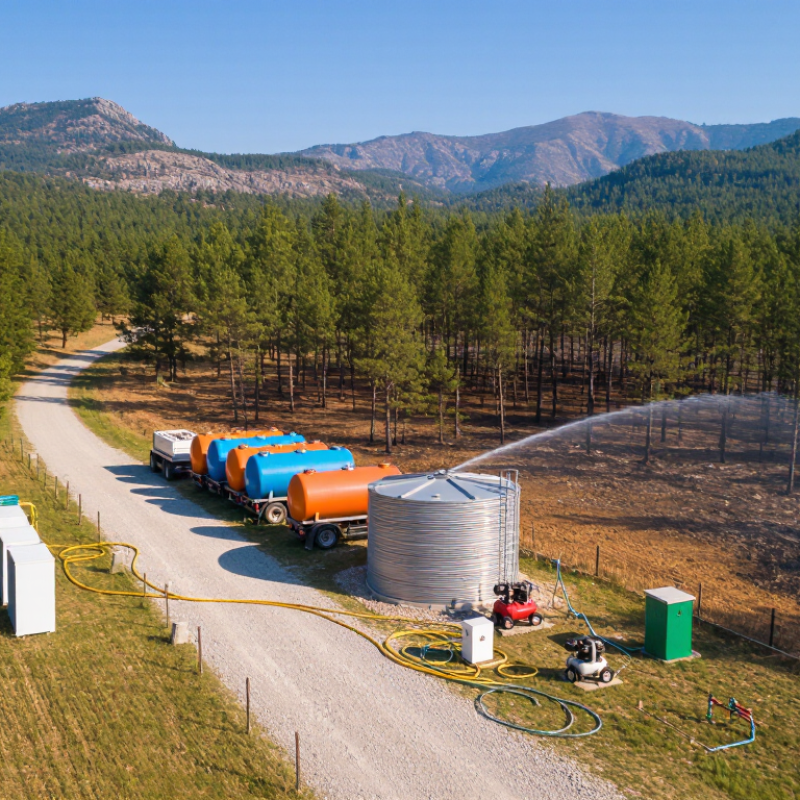
Wildfire water solutions are systems designed to detect, supply, and distribute water during fast-moving fires. They may include storage tanks, pumps, hydrants, hose networks, sprinklers, and mobile water units. Together, these components protect homes, farms, industrial sites, forests, and emergency access routes.
A dependable solution begins with a local risk assessment. Experts examine terrain, wind exposure, vegetation, water availability, and road access. A hillside community may need elevated tanks and pressure-controlled sprinklers. A remote facility may depend on large reservoirs, backup pumps, and transportable water equipment.
Materials should resist heat, corrosion, freezing temperatures, and difficult maintenance conditions. Field experience also shows that installation quality matters as much as product specifications. A well-designed system can still fail if valves are blocked or pumps lack fuel.
Tips: Confirm the available water source before selecting equipment. Test pumps under realistic pressure and flow conditions. Keep access paths clear for emergency vehicles. Train local staff to inspect hoses, valves, filters, and backup power. Buyers should request clear performance data, maintenance instructions, and compliance records. Local fire authorities can also clarify required standards and water volumes. One practical lesson is easy to overlook: emergency systems need regular use and inspection, not just installation. A plan that looks strong on paper may need adjustment after heavy rain, drought, or landscape changes.
Which Water Sources Support Wildfire Suppression?
Wildfire suppression depends on water that is available, accessible, and reliable under pressure.
Municipal hydrants are often the fastest option near developed areas. Their performance depends on pipe size, pressure, and backup power. Crews should confirm flow rates before fire season, not during an emergency.
Reservoirs, lakes, and farm ponds can support portable pumps and water tenders. A full-looking pond may still have shallow edges, heavy silt, or unsafe access roads. Rivers provide large volumes, but changing levels and strong currents create operational challenges.
Groundwater wells can help remote communities, although pumps need fuel, maintenance, and tested output. These details matter.
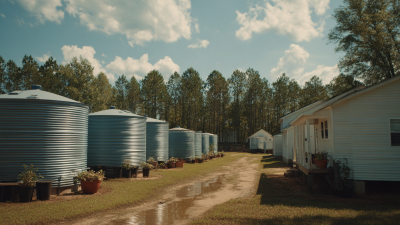
Stored water tanks offer predictable capacity when natural sources become unreliable.
Above-ground tanks should have protected fittings, clear access, and enough volume for repeated filling cycles. Recycled or non-potable water may also support suppression when treatment standards and local rules permit it.
Water quality is not always the main concern for firefighting, but debris can damage pumps. Field inspections often reveal problems that documents miss. That is uncomfortable, but useful.
A practical plan should map each source, record seasonal limits, and identify backup options.
No source is perfect. Teams must question assumptions before flames arrive.
What Technologies Improve Wildfire Water Delivery?
Wildfire water delivery now depends on speed, mapping, and reliable pressure control. The National Interagency Fire Center recorded 56,580 wildfires and about 2.69 million burned acres in the United States during 2023. That scale exposes the weakness of truck-only response. Remote sensing, GIS mapping, and live weather feeds can identify threatened corridors before crews arrive. The information is powerful, but not always precise.
Mobile water tanks, high-capacity pumps, and collapsible reservoirs can place water closer to shifting fire lines. Pump systems with variable-speed controls can reduce pressure loss across steep terrain. Smart sensors can monitor tank levels, flow rates, and pump temperature from a central dashboard. This prevents an empty tank from being discovered during a critical attack. Small details matter.
The National Wildfire Coordinating Group emphasizes interoperable planning and clearly defined water sources in wildland fire operations. For global buyers, standardized fittings and shared data protocols can improve cooperation between municipal, industrial, and emergency teams. Satellite-based mapping also supports route planning when smoke blocks ground visibility. Yet connectivity may fail during extreme heat or infrastructure damage. Manual controls remain necessary. That is an uncomfortable limitation. Buyers should test equipment under realistic conditions, including long hose runs, ash contamination, poor roads, and sudden wind changes. The best technology is not always the most complex. It is the system crews can operate safely, repair quickly, and trust under pressure.
How Do Global Buyers Compare Water Solutions?
Global buyers compare wildfire water solutions by resilience, not headline flow rate. UNEP’s 2022 Spreading like Wildfire report projects extreme fire events may rise 14% by 2030. The figure reaches 30% by 2050. That changes the question.
Can the system deliver water during smoke, blocked roads, and power loss? A 50,000-liter mobile tank needs a refill plan, not just a capacity label. Buyers should examine source quality, pump performance, hose distance, setup time, and safe drainage. Field experience often exposes gaps that brochures miss.
25
countries face extremely high annual water stress.
WRI’s 2023 Aqueduct Water Risk Atlas reports that 25 countries face extremely high annual water stress. They represent roughly one-quarter of the world’s population. So, water availability deserves equal weight with firefighting speed. Request independently verified flow curves at realistic elevations and temperatures. Ask for test records, maintenance intervals, corrosion protection, and spare-part access. Relevant fire-protection standards and local environmental rules must guide acceptance testing. A laboratory result may not represent a steep, muddy access road.
Field trials reveal uncomfortable gaps. A unit may start quickly but fail after repeated sediment exposure. Buyers should inspect intake screens, connection seals, winterization, and operator training.
Lifecycle cost matters more than the purchase invoice. Transport weight, fuel demand, storage space, and repair delays can dominate emergency budgets.
The comparison remains imperfect, because wildfire conditions change hourly. Still, documented evidence beats confident sales language.