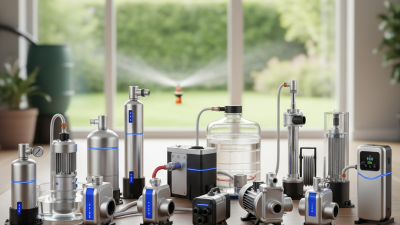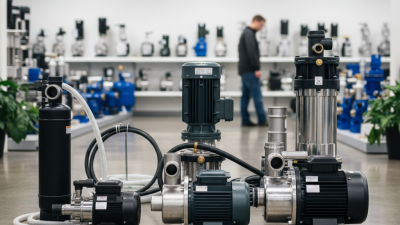
Choosing the best water pump solution is rarely about selecting the largest motor or the lowest purchase price. It begins with the real working conditions: water quality, flow rate, lifting height, pipe length, electricity supply, and daily operating hours. A compact booster pump may suit a clean-water apartment system, while a submersible pump may better handle a deep well or a flooded construction site. The wrong match can create vibration, overheating, noisy pipes, and rising energy bills.
Dr. Lev Nelik, a recognized pump-system specialist and author, offers a practical reminder: “A pump is only one part of the system.” His point deserves attention. Valves, filters, pipe diameter, controls, and maintenance schedules can determine whether the equipment performs reliably. A powerful pump cannot correct a blocked intake or undersized discharge pipe. Small details matter.
Real sites are rarely perfect. Water demand changes. Sediment appears. Budgets become tighter. Therefore, comparing water pumps solutions should include lifecycle cost, service access, spare parts, and efficiency under normal—not ideal—conditions. A pump that saves money today may consume more electricity for years. That is an uncomfortable calculation, but it prevents shallow decisions.
This guide examines common pump types, their practical strengths, and their limits. It also questions popular assumptions. There is no universal winner. The best choice depends on the system, the water, and the people responsible for keeping it running.
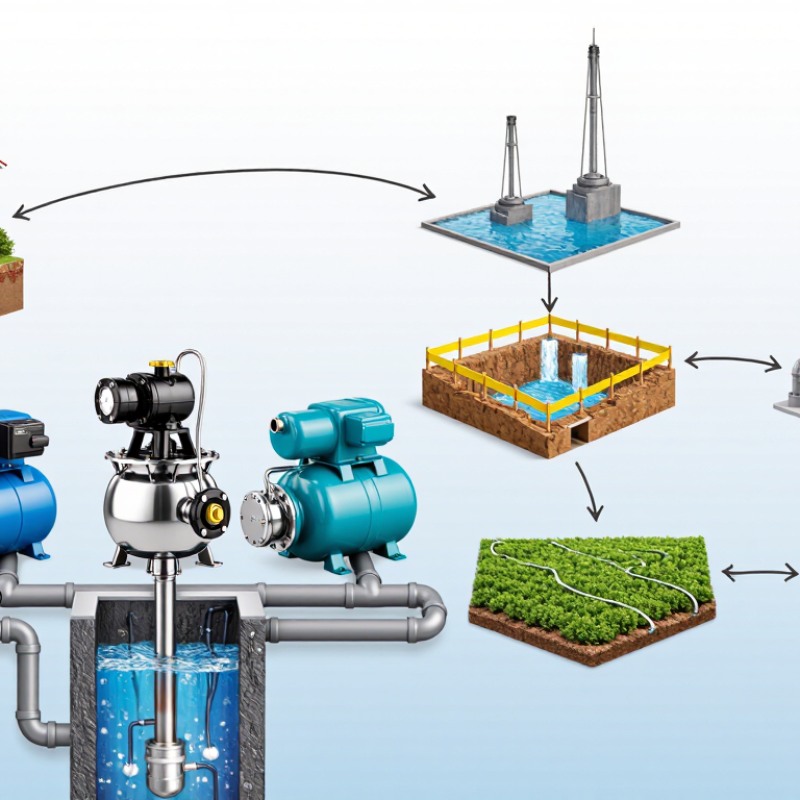
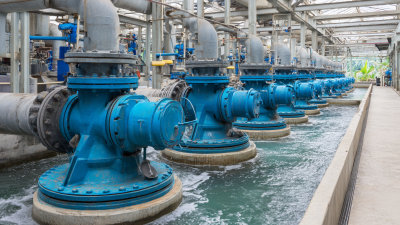
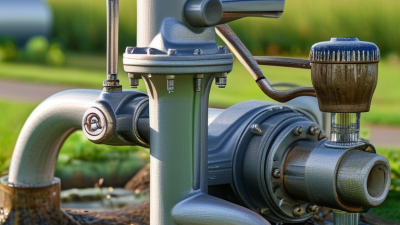
Choosing a water pump starts with its core function, not its appearance or price. A centrifugal pump moves water by spinning an impeller inside a casing. It suits clean water, irrigation, circulation, and many building systems. Its flow is smooth, but performance drops when pressure requirements become excessive.
A submersible pump works underwater and pushes water through a connected discharge pipe. This design is practical for wells, drainage pits, flooded areas, and deep tanks. It usually operates quietly because the surrounding water reduces noise. However, access for inspection can be inconvenient. I have seen small faults become expensive repairs when sediment blocked the intake.
Positive displacement pumps move a fixed volume during each cycle. They can handle higher pressure and thicker fluids than many centrifugal models. Common designs include diaphragm and gear mechanisms. These pumps require careful pressure control, because a closed discharge line may create dangerous stress. A relief system is not an optional detail.
Pump selection depends on flow rate, total head, water temperature, pipe length, and suspended solids. Measure the actual site conditions. Estimates can mislead. An undersized pump struggles continuously, while an oversized one wastes energy and causes frequent cycling. Even a well-designed solution may need adjustment after installation. Listen for vibration, check unusual heat, and record pressure changes during normal operation.
What Is the Best Type of Water Pump Solution?
Matching Pump Designs to Water Supply and Drainage Needs
The best pump depends on water quality, required flow, elevation, and operating conditions. A domestic supply system may need a centrifugal pump with variable-speed control. It can maintain steady pressure while reducing unnecessary energy use. For wells, a submersible pump avoids priming problems and pushes water efficiently through long risers. Field assessments still matter. A catalogue rating rarely matches real pipe friction, voltage variation, or seasonal groundwater levels.
Drainage requires a different design. A submersible dewatering pump suits flooded basements and construction pits, while a solids-handling model is safer for wastewater containing grit or fibrous debris. Check the pump’s maximum particle passage, duty point, and available head before installation. Small errors become expensive. The 2023 WHO/UNICEF Joint Monitoring Programme reported that 2.2 billion people lacked safely managed drinking water in 2022, showing why dependable supply equipment remains essential. Yet reliability is not only about capacity; backup power and accessible maintenance can determine whether a system works during a storm.
Water demand also shapes pump selection. The 2024 UN World Water Development Report states that agriculture accounts for about 70% of global freshwater withdrawals. Irrigation systems therefore benefit from efficient pumps matched to pressure zones, filtration, and changing field demand. Oversizing seems cautious, but it can increase throttling losses and wear. Engineers should verify flow curves, net positive suction head, motor efficiency, and start frequency on site. I would not treat any model as universally best. Even a technically correct design may fail when operators cannot service it.
Representative design flow rates for common water supply and drainage applications
Higher-flow drainage systems generally require larger centrifugal or submersible pumps, while domestic supply and pressure-boosting systems typically use compact multistage or booster pumps. Actual selection depends on head, pipe losses, water quality, solids content and operating conditions.
The best pump depends on pressure, flow rate, and operating changes. A centrifugal pump suits high-flow systems with relatively stable demand. A positive-displacement pump performs better when pressure must remain high. It also handles viscous fluids more consistently.
Energy use deserves careful attention. The International Energy Agency reports that electric motor systems consume about 53% of global electricity. Pumping equipment forms a major part of this demand.
The U.S. Department of Energy’s Pumping System Assessment Tool evaluates pump, motor, piping, and control efficiency together. A pump with excellent laboratory efficiency may still waste energy through oversized pipes or constant throttling.
Variable-speed control can reduce flow-related energy use, especially in systems with changing demand. However, it adds controls and maintenance points. Reliability may decline if the motor frequently cycles or operates far below its best efficiency point. Pressure readings should be taken at several locations, not only beside the pump. Flow meters, vibration checks, and seal inspections provide better field evidence. Small details matter.
Tips: Match the pump to the duty curve, not the maximum possible flow. Keep a safety margin, but avoid excessive oversizing. Record monthly energy, pressure, and flow data. The Hydraulic Institute recommends evaluating the complete system, yet field conditions rarely match design assumptions perfectly. That limitation deserves review.
The best water pump solution begins with the water, not the catalog. In field assessments, I check temperature, acidity, suspended solids, and flow demand before comparing pump designs. Stainless steel suits many clean-water systems, while coated cast iron may offer practical strength in larger installations. For aggressive or salty water, engineered plastics can resist corrosion, but their temperature limits need careful review. Material compatibility is not a minor detail.
Controls should match how the system actually operates. A variable-speed drive can reduce pressure swings and energy waste when demand changes throughout the day. Pressure sensors, dry-run protection, overload monitoring, and automatic restart functions improve reliability. However, sensors installed in turbulent pipe sections may produce unstable readings. I have seen a well-sized pump perform poorly because control settings were never commissioned properly. That mistake is easy to repeat.
Installation details often decide service life. Use a firm, level base, correctly sized isolation valves, and accessible strainers. Keep suction piping short, supported, and free from sharp bends near the inlet. Align couplings carefully, then verify vibration, noise, flow, and current draw during commissioning. Leave enough clearance for seal replacement and inspection. No system is perfect. A maintenance log, realistic spare-parts plan, and periodic performance checks make small faults visible before they become expensive failures. I would also review the design after the first season, because real operating conditions often challenge the original assumptions.
The best water pump solution depends on operating conditions, not purchase price. Start with flow, total dynamic head, fluid temperature, viscosity, solids, and daily demand. A clear-water system may suit a centrifugal pump. Slurry service needs stronger wear resistance and wider passages. High-pressure duties require careful NPSH review and reliable sealing.
The U.S. Department of Energy reports that pumping systems can represent about 27% of electricity used by industrial motor-driven equipment. This makes efficiency a practical design issue. A pump operating far from its best efficiency point may waste energy and suffer vibration. Variable demand can justify speed control, but only after checking motor cooling, minimum flow, and control stability. The International Energy Agency also identifies motor-driven systems as a major global electricity consumer. Small design errors become expensive over years. I have seen teams overestimate future flow, then operate oversized pumps at throttled valves. That choice works, but it is rarely elegant.
Tips: Measure real flow and pressure before selecting equipment. Check the pump curve at normal and peak duty points. Confirm NPSH available during the lowest tank level. For abrasive fluids, inspect wear allowances and maintenance access. Ask for tested efficiency data, not optimistic estimates. Review energy costs across the pump’s service life. A cheaper pump can become the costly option.