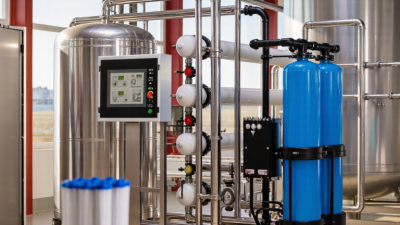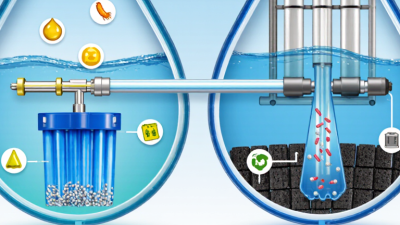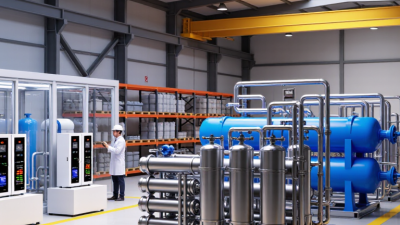
Clean water requirements vary sharply across homes, hospitals, factories, and remote communities. A buyer in coastal Kenya may face brackish groundwater, while a food plant in Germany may manage strict microbial controls. The right solutions for water purification must match the source, application, local infrastructure, and expected flow rate. There is no universal machine.
This guide reviews ten practical options, including sediment filtration, activated carbon, ultrafiltration, reverse osmosis, ultraviolet treatment, ozone, and packaged systems. Each technology removes different contaminants. Reverse osmosis can reduce dissolved salts, but it may produce reject water and require careful maintenance. Ultraviolet systems can inactivate microorganisms, yet they do not remove sediment or chemicals. These details matter during procurement.
Real purchasing decisions also involve laboratory testing, replacement parts, operator training, energy use, and verified performance data. Buyers should request recent test reports, clear warranties, and documentation from qualified manufacturers. Local water analysis should guide the final choice, not attractive marketing claims. Small mistakes become expensive quickly. A blocked prefilter, for example, can reduce pressure and shorten membrane life. Certification requirements also differ by country and end use, so independent technical advice remains valuable.
The comparison ahead is designed for global buyers seeking reliable, scalable, and responsible treatment strategies. It highlights strengths, limitations, operating conditions, and likely ownership costs. Some recommendations may need adjustment after field testing. That is normal. Water quality changes seasonally, equipment ages, and user expectations are rarely identical. A careful selection process protects health, budgets, and long-term system performance.
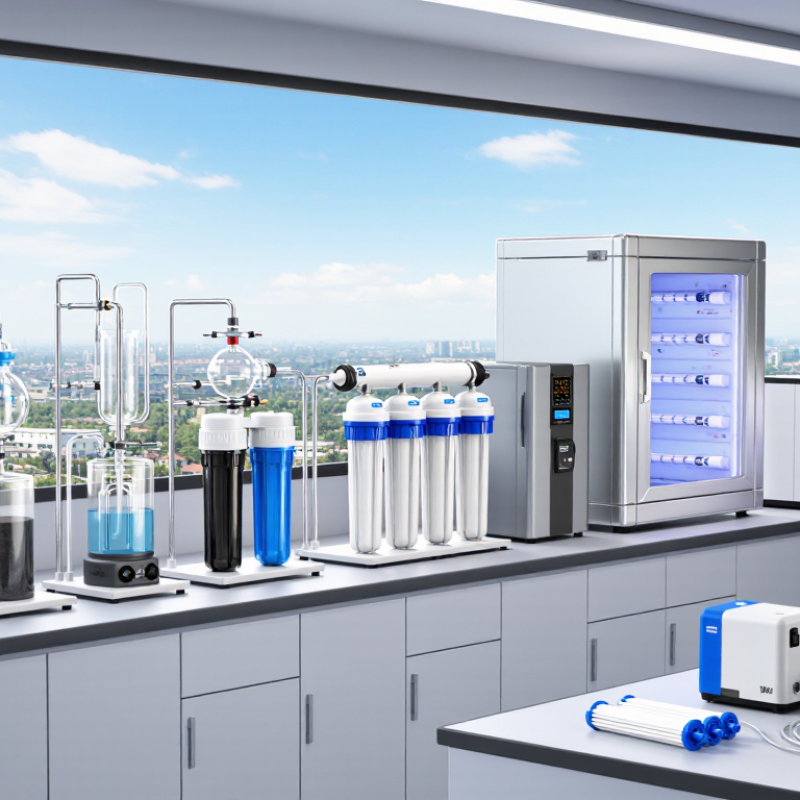
Top 10 Water Purification Solutions for Global Buyers?
The scale is urgent: 2.2 billion people lacked safely managed drinking water in 2022, according to WHO and UNICEF. In rural areas, families may collect water from shallow wells, rivers, or storage tanks. Mud, parasites, bacteria, and chemical pollutants can appear in the same bucket. Buyers should assess the source before selecting equipment.
Practical options include sediment filters, activated carbon, ceramic filters, biosand filters, chlorination, ultraviolet treatment, reverse osmosis, ultrafiltration, rainwater harvesting, and solar disinfection. Each solution has a different purpose. Sediment filters remove visible particles. Carbon improves taste and reduces some chemicals. Chlorine supports safer storage, while ultraviolet systems require electricity and clear water. Reverse osmosis can reduce salts, but it creates wastewater and needs regular membrane replacement.
Test first. Always test first. Laboratory analysis should check bacteria, turbidity, arsenic, fluoride, nitrates, and salinity where relevant. A low-cost device may fail when users cannot find spare parts or understand maintenance instructions. This is an uncomfortable weakness in many procurement plans. Technology alone does not deliver safe water. Buyers should request independent performance evidence, local service capacity, clear operating instructions, and realistic lifecycle costs. WHO guidance and national drinking-water standards can support responsible decisions, but local conditions still matter greatly.
Global water purification needs remain critical: approximately 2.2 billion people lacked safely managed drinking water services in 2022.
The chart compares typical reported pathogen-reduction performance for bacteria, viruses, and protozoa across ten technology categories. Results vary with water quality, operating conditions, maintenance, and system design. The 2.2 billion figure is based on the WHO/UNICEF Joint Monitoring Programme 2022 update.
Top 10 Water Purification Solutions for Global Buyers
The leading ten solutions include boiling, chlorination tablets, liquid chlorine, electrochlorination, ultraviolet light, ozone, ceramic filtration, activated carbon, ultrafiltration, and reverse osmosis. Each solves a different risk. Boiling remains practical during outages, but it needs fuel, clean storage, and careful handling. Chlorine is affordable and leaves residual protection, while electrochlorination produces disinfectant on site. However, taste complaints can reduce consistent use.
UV works quickly when water is clear and electricity is stable. It does not remove chemicals or protect water after treatment. Ozone can control microbes and reduce odors, but it needs trained operators and reliable power. Ceramic filters can remove many organisms, while activated carbon improves taste and reduces selected chemicals. Ultrafiltration targets bacteria and particles. Reverse osmosis removes dissolved salts, though it creates wastewater and demands maintenance. The WHO Guidelines for Drinking-water Quality stress that treatment performance depends on source-water conditions, not equipment labels. The WHO/UNICEF JMP 2023 report recorded 2.2 billion people without safely managed drinking water in 2022, showing why adaptable systems matter.
Tips: Test turbidity, salinity, and microbial contamination before purchasing. Check flow rate at peak demand. Keep chlorine contact time visible. Replace UV lamps on schedule. A common mistake is ignoring storage hygiene. It can undo good treatment. Buyers should also request independent test data, service instructions, and realistic energy calculations. No solution is perfect.
| Rank | Purification Solution | Primary Principle | Typical Contaminants Addressed | Typical Treatment Performance | Energy / Consumables | Main Advantages | Key Limitations | Best-Fit Applications |
|---|---|---|---|---|---|---|---|---|
| 1 | Boiling | Heat inactivation | Most bacteria, viruses and protozoa when the water reaches a full rolling boil | Highly effective for microbial disinfection; does not remove dissolved chemicals, salts or particles | Fuel or electricity; no chemical residual | Simple, widely understood and suitable for emergency household treatment | Energy-intensive; water must be cooled and stored safely; concentrated contaminants remain | Households Emergency use, remote locations and small daily volumes |
| 2 | Chlorination | Chemical oxidation and disinfection | Many bacteria and viruses; limited effectiveness against some protozoa, especially Cryptosporidium | Effective when the correct dose, contact time, pH and turbidity are maintained; provides residual protection | Chlorine products and dosing equipment; low electricity demand | Low cost, scalable and able to protect water during distribution and storage | Can produce taste and odor; performance depends on water chemistry and contact time | Community Municipal, institutional and point-of-use systems |
| 3 | Ultraviolet (UV) Disinfection | UV-C light damages microbial DNA and RNA | Bacteria, viruses and protozoa that receive sufficient UV dose | Strong microbial inactivation with clear, low-turbidity water; no removal of chemicals or particles | Electricity and periodic lamp or component replacement | Fast treatment, no chemical taste and no significant change in water chemistry | Requires reliable power and prefiltration; no residual protection after treatment | Indoor Homes, food service, healthcare and packaged-water operations |
| 4 | Ozonation | Strong oxidation and microbial inactivation | Bacteria, viruses, many protozoa, taste-and-odor compounds, iron and manganese under suitable conditions | Effective when ozone concentration and contact time are controlled; does not provide a lasting residual | Electricity for ozone generation; off-gas control may be required | Powerful oxidant with broad treatment capability and relatively short contact time | Higher system complexity; ozone must be generated on site and may create oxidation by-products | Centralized Municipal plants, industrial water and high-throughput facilities |
| 5 | Reverse Osmosis (RO) | Pressure-driven membrane separation | Dissolved salts, many metals, fluoride, nitrate and numerous microorganisms | High removal of dissolved solids and many contaminants when properly designed and maintained | Electricity, pretreatment, membrane replacement and a reject-water stream | Produces low-total-dissolved-solids water and addresses a broad range of dissolved contaminants | Rejects part of the feed water; requires pressure, maintenance and appropriate remineralization in some uses | Desalination Drinking water, brackish water and industrial process water |
| 6 | Activated Carbon Adsorption | Adsorption onto porous carbon media | Chlorine, taste and odor compounds, and many organic chemicals; performance varies by carbon type and contaminant | Effective for selected organic contaminants when media capacity and contact time are adequate | Low electricity demand; carbon media must be replaced or regenerated | Improves taste and odor and can reduce a range of organic compounds | Does not reliably disinfect water; exhausted media can release contaminants if not replaced | Pretreatment Point-of-use filters and polishing stages |
| 7 | Ultrafiltration (UF) | Low-pressure membrane filtration | Suspended solids, bacteria, protozoa and many larger particles; limited removal of dissolved salts | High physical removal of particulate and microbial contaminants when membranes are intact | Low to moderate pressure; periodic backwashing and membrane cleaning | Compact, low chemical consumption and useful as a pretreatment step | Generally does not remove dissolved minerals, many small organic molecules or all viruses | Distributed Rural systems, surface-water treatment and membrane pretreatment |
| 8 | Ceramic Filtration | Microfiltration through porous ceramic media | Suspended particles, bacteria and protozoa larger than the filter pores | Performance depends on pore size, integrity and cleaning; dissolved contaminants remain | Usually gravity or low pressure; ceramic elements can be cleaned and reused | Durable, low-energy and suitable for decentralized household treatment | Flow rate can be limited; viruses and dissolved chemicals may pass through | Point-of-use Small communities, households and low-resource settings |
| 9 | Distillation | Evaporation followed by condensation | Many salts, metals, microbes and non-volatile contaminants | High removal of dissolved solids and microorganisms; volatile compounds may require additional controls | High heat or electricity demand; regular cleaning for scale control | Produces highly purified water and is not dependent on membrane pressure | Slow and energy-intensive; may require post-treatment to improve taste and mineral balance | Specialty Laboratories, healthcare and small-volume high-purity applications |
| 10 | Solar Water Disinfection (SODIS) | Combined sunlight UV radiation and heat in transparent containers | Many bacteria, viruses and some protozoa when exposure conditions are adequate | Works best with relatively clear water and sufficient sunlight; does not remove chemicals or salts | Sunlight; transparent containers and safe storage are required | Very low operating cost and useful where fuel, electricity and chemicals are unavailable | Weather- and climate-dependent; limited batch volume and lengthy exposure time | Off-grid Emergency relief, rural households and sunny regions |
For global buyers, membrane selection should begin with feed-water testing, not a sales ranking. Reverse osmosis (RO) removes dissolved salts, metals, and many microorganisms. It delivers high-quality permeate. However, RO requires high pressure, stable pretreatment, and energy. It also creates a concentrated reject stream. Nanofiltration (NF) operates at lower pressure and targets hardness, color, and selected organic compounds. More dissolved salt can pass through.
Ultrafiltration (UF) removes suspended solids, colloids, bacteria, and some viruses. It does not reliably remove dissolved salts. Microfiltration (MF) has larger pores, usually around 0.1 to 1 micrometer. It is useful for turbidity, algae, protozoa, and many bacteria. MF often works well as a pretreatment step. UF can produce clearer water, but fouling still develops quickly when raw water contains oil or fine clay.
A neat ranking can mislead. Field assessments show that seasonal water changes often affect performance more than brochure figures. Buyers should compare recovery rate, operating pressure, cleaning frequency, energy use, and membrane life. Pilot trials matter. Small tests can reveal rapid fouling, unexpected scaling, or poor flow control. One detail is easy to miss: a lower-pressure system may still cost more if cleaning is frequent and operators lack training. Performance data should include temperature, feed quality, and testing methods. Otherwise, comparisons may look precise but remain incomplete.
Point-of-use treatment can protect households where piped water remains unreliable. The WHO/UNICEF Joint Monitoring Programme reported that 2.2 billion people lacked safely managed drinking water in 2022. Ceramic filters can reduce bacteria and suspended particles through fine pores. However, damaged elements may pass contamination. Biosand filters use layered sand and biological activity, making them practical for rural homes. They need regular cleaning and careful flow control. Performance varies. Real kitchens are messier than laboratory tests.
Distillation removes microbes, salts, and many dissolved contaminants by boiling and condensing water. It can deliver high purity, but electricity or fuel use may limit affordability. Activated carbon improves taste and reduces chlorine, odors, and selected organic chemicals. It does not reliably remove all pathogens. The U.S. Environmental Protection Agency advises checking contaminant-specific performance, rather than trusting broad “purification” claims. Independent testing matters. So does maintenance.
Tips: Match the filter to the tested water problem. Ask for certified reduction data, replacement intervals, and flow rates. Store treated water in covered, narrow-neck containers. Wash hands before collection. A 2024 WHO household water treatment review also stresses correct use and safe storage. One overlooked weakness is user fatigue. If cleaning feels difficult, protection may quietly disappear. Some buying decisions still prioritize price over evidence, and that is understandable, but risky.
Global buyers should compare water purification solutions against evidence, not attractive brochures. WHO Guidelines for Drinking-water Quality require Escherichia coli to be undetectable in any 100 mL sample. Buyers should request laboratory results, sampling methods, and test dates. WHO guidance is not a universal product certificate, so local regulations still matter.
Flow rate must match real demand. A system rated at 10,000 liters per hour may perform differently with cold water, high turbidity, or clogged prefilters. Ask for continuous flow, peak flow, recovery rate, and pressure requirements. WHO and UNICEF’s Joint Monitoring Programme reported that 2.2 billion people lacked safely managed drinking water in 2022. That figure shows why reliability matters beyond laboratory performance. Short interruptions can affect clinics, hotels, and factories quickly.
Energy use changes the long-term purchase decision. The International Energy Agency estimated that water-related services consumed about 4% of global electricity, with demand potentially more than doubling by 2040. Compare kilowatt-hours per cubic meter, not only motor size. Total cost should include membranes, chemicals, labor, wastewater disposal, spare parts, and downtime. A lower purchase price can hide expensive maintenance. Numbers mislead. A spreadsheet can still lie. I would also allow a contingency budget, because feedwater quality often changes more than early surveys suggest.